
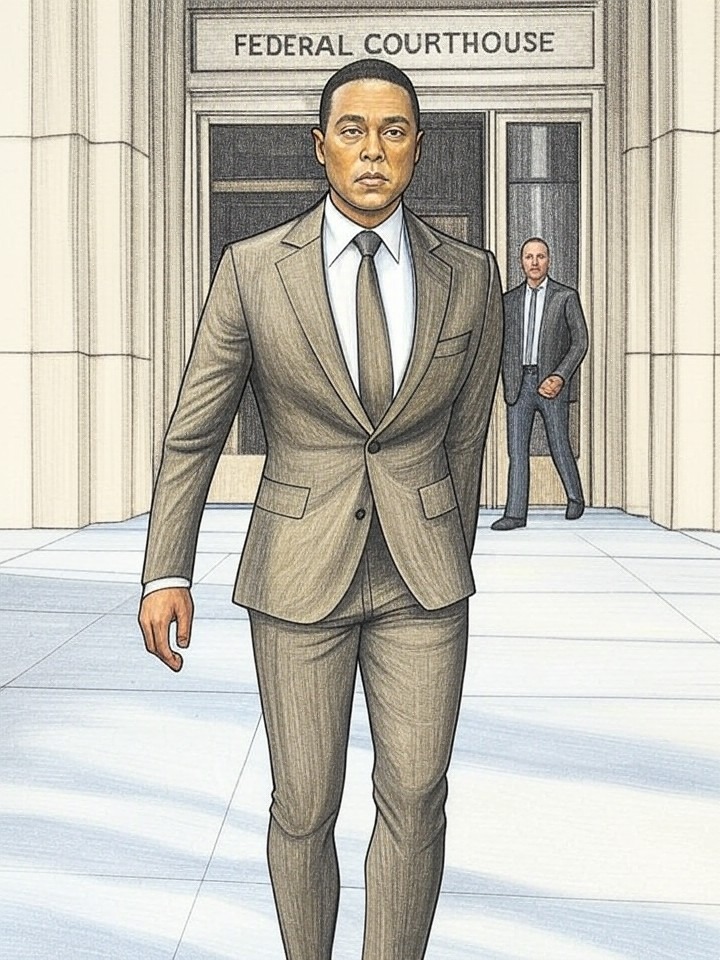
• Allegations that Lemon engaged in activism and disrupted religious worship Former Representative Marjorie Taylor Greene defended the arrest, arguing that Lemon’s participation in the anti-ICE protest at Cities Church constituted activism rather than legitimate journalism. She alleged that Lemon violated the FACE Act by disrupting a religious service when demonstrators entered the building.
• Concerns regarding judicial impartiality due to advocacy group donations The Article III Project has asserted that Chief Judge Patrick Schiltz should recuse himself from cases involving immigration policy to maintain judicial integrity. Critics argue that donations made by Schiltz and his wife to the Minnesota Immigrant Legal Center, which opposes administration policies, create an appearance of impropriety.
• Arguments for federal intervention and proper jurisdictional boundaries Attorney General Pam Bondi secured an indictment from a grand jury after the initial request for charges was rejected, signaling a commitment to prosecuting the alleged civil rights crimes. Furthermore, critics have raised jurisdictional arguments suggesting that federal district judges should not intervene in certain removal proceedings related to enforcement initiatives.
How it may affect me
As a U.S. reader:
The prosecution of media figures for presence at protests could alter how journalists cover civil unrest, potentially limiting the firsthand information available to you during future public disturbances.
The application of the FACE Act to immigration protests implies strictly enforced legal boundaries for demonstrators near religious sites, increasing the risk of federal charges for disruptive behavior.
Heightened scrutiny of judicial donations to advocacy groups may result in more frequent calls for recusals, potentially delaying court rulings on major policy issues that affect the public.
The Justice Department's decision to pursue an indictment after an initial judicial rejection signals that federal authorities may aggressively prosecute cases despite early procedural hurdles in court.