
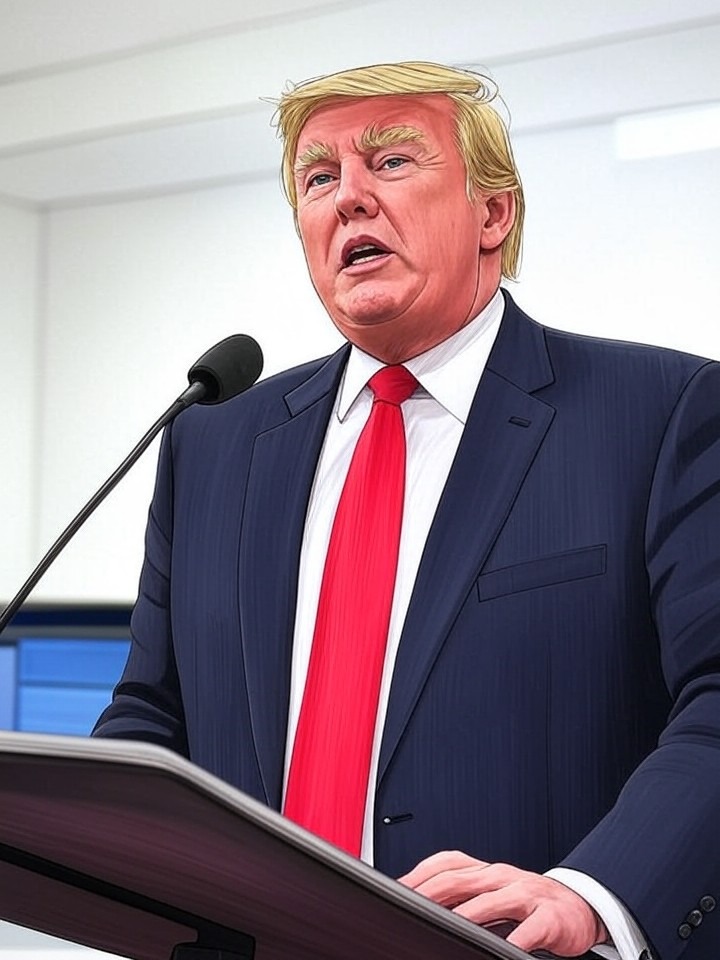
• Strategic shift toward jail-based enforcement Homan argues that securing cooperation from state and city leaders to honor federal immigration detainers within the prison system allows for a safer and more efficient operational approach. This agreement aims to facilitate arrests inside jail facilities, thereby reducing the necessity for large-scale operations in the community and decreasing the number of federal agents on the streets.
• Confidence in Homan’s leadership Administration officials and supporters characterize Homan as a "patriot" and a career professional well-suited to restore order during this period of unrest. Proponents highlight his prior service, noting that he received awards while serving under the Obama administration as evidence of his qualifications.
• Commitment to enforcement despite funding threats The administration maintains that it will not surrender its enforcement goals, asserting that mission-critical personnel will continue to operate even if Department of Homeland Security funding expires on January 30. Officials emphasize that operations will proceed regardless of potential legislative gridlock or a partial government shutdown.
How it may affect me
As a U.S. reader:
• Residents in Minnesota may witness fewer large-scale federal enforcement operations in public spaces as strategies shift toward executing arrests inside jail facilities.
• A partial government shutdown could begin on January 30 if Congress blocks Department of Homeland Security funding while debating restrictions on immigration enforcement tactics.
• Individuals detained in Minnesota prisons may face increased likelihood of federal transfer, as local leaders have agreed to honor immigration detainers to streamline enforcement.
• Federal immigration operations may face increased legislative scrutiny or operational constraints as lawmakers demand oversight in exchange for approving future agency funding.