
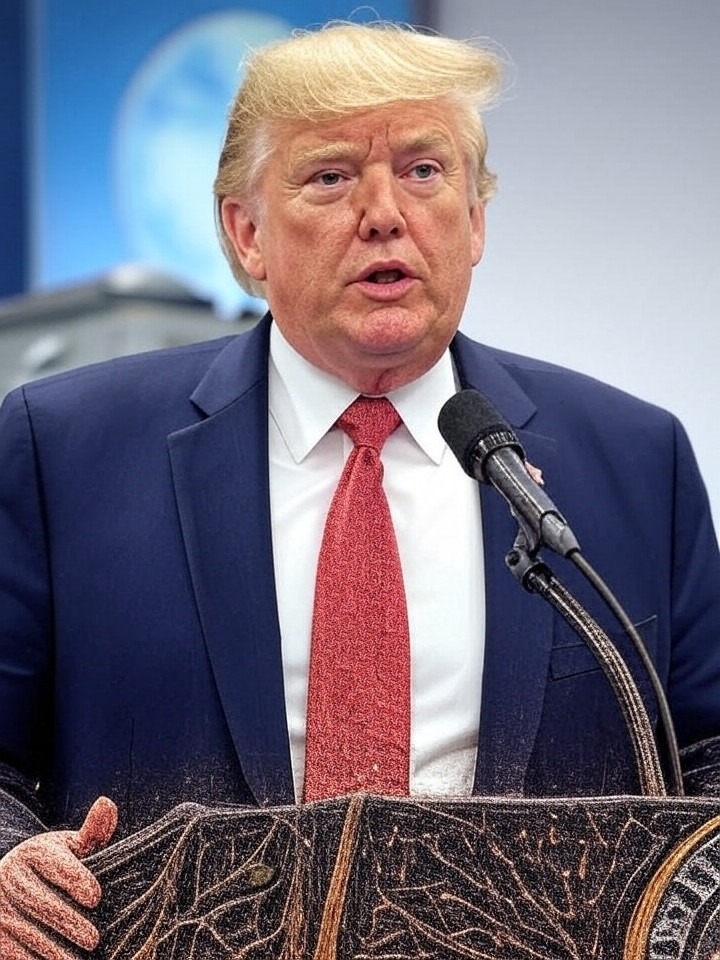
US and Iran Exchange Warnings as Naval Fleet Deploys to Middle East

Illustration for: US and Iran Exchange Warnings as Naval Fleet Deploys to Middle East
AI-generated illustration. Visual interpretation does not represent real individuals or scenes.

THE BARE STORY

Tensions between Washington and Tehran have intensified following President Donald Trump's deployment of a naval fleet, led by the aircraft carrier *Abraham Lincoln*, to the Middle East. President Trump described the deployment, which includes an additional destroyer, as a "massive armada" intended to pressure Iran into negotiating a nuclear agreement. He warned that U.S. forces are prepared to use "speed and violence" if necessary and urged Tehran to accept a deal.

In response, Iranian Foreign Minister Seyed Abbas Araghchi stated that his country’s military forces have their "fingers on the trigger" and are prepared to retaliate powerfully against any aggression. While Iran’s mission to the United Nations asserted that the nation remains open to dialogue based on mutual respect, it emphasized that Iran would defend itself if pushed, citing the costs of previous U.S. conflicts in the region.

Regional allies, including Turkey, Oman, and Qatar, are reportedly attempting to broker diplomatic talks to avert a strike. High-level officials from Israel and Saudi Arabia have traveled to Washington for consultations, though Saudi Arabia and the United Arab Emirates have stated that their territories cannot be used for attacks on Iran. Diplomatic officials suggest that Iran remains skeptical of U.S. offers, partly due to a reported joint bombing campaign against Iranian nuclear infrastructure last year.

The military standoff coincides with reports of significant internal unrest within Iran. Secretary of State Marco Rubio testified that while the Iranian regime is vulnerable, it has effectively utilized a crackdown to quell recent domestic protests. Reports indicate that the suppression of these demonstrations resulted in mass detentions and a high number of casualties, alongside extended internet shutdowns. Secretary Rubio characterized the current U.S. military buildup as a defensive measure to protect American personnel and assets in the region.

Same Facts. Different Perspectives.

Two AI models. Two viewpoints. One factual foundation.

• Military preparedness for retaliation Foreign Minister Seyed Abbas Araghchi declared that Iranian military forces have their "fingers on the trigger" in response to the U.S. deployment. Officials emphasized that the nation is prepared to retaliate powerfully against any aggression.

• Conditional openness to diplomatic dialogue Iran’s mission to the United Nations asserted that the country remains open to dialogue, provided it is based on mutual respect. The mission warned against pushing Iran into conflict, citing the high costs associated with previous U.S. military engagements in the region.

• Skepticism regarding U.S. intentions Diplomatic officials suggest that Tehran remains wary of current U.S. offers for talks. This distrust is reportedly fueled in part by a joint bombing campaign that targeted Iranian nuclear infrastructure last year.

How it may affect me

As a U.S. reader:

• The risk of U.S. involvement in armed conflict has risen, with leadership threatening "speed and violence" and Iranian forces placing their "fingers on the trigger."

• U.S. military personnel and regional assets are subject to increased defensive measures following the deployment of a carrier strike group and destroyer to the Middle East.

• Diplomatic outcomes regarding a nuclear deal remain uncertain as allies attempt to broker talks amidst Iranian distrust stemming from previous military actions against infrastructure.

Read the story at

Note: All TheBareNews content is AI-generated. For additional context, reporting, and updates, you are invited to explore the news outlets linked above.