
• New initiatives aim to increase earnings Executives estimate that strategic changes, including the new seating model and recently introduced fees for checked bags, could contribute $4.3 billion in earnings this year. The carrier has forecast a surge in profitability for 2026, projecting adjusted earnings of at least $4 per share.
• Investor pressure influenced corporate decisions The move to end the open-seating policy follows pressure from activist investor Elliott Investment Management to improve the company’s financial standing. CEO Bob Jordan explicitly noted that the shift was driven in part by financial benefits alongside customer demand.
• Market reaction and recent performance are positive Following the release of the financial forecast and the implementation of the seating model, the airline’s stock value rose. This optimism builds on a reported fourth-quarter net income of $323 million, representing a nearly 24% increase from the previous year.
How it may affect me
As a U.S. reader:
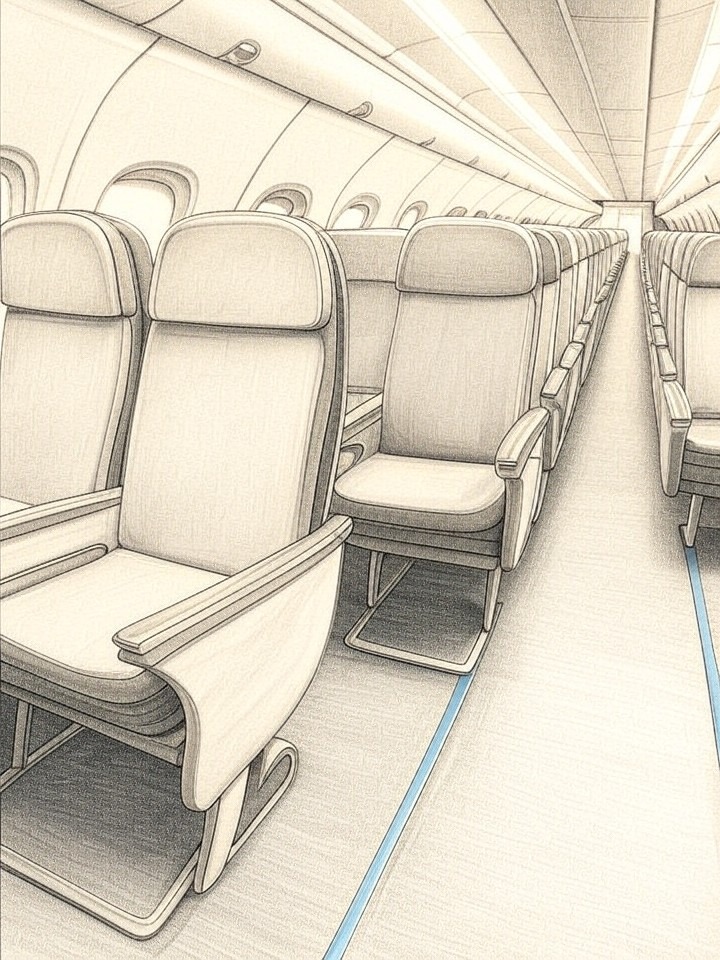
You will no longer choose your seat upon boarding, as the airline has shifted to an assigned seating model that requires selection before the flight.
Travel costs may increase if you opt for newly available premium roomy seats or encounter recently introduced fees for checked bags.
Your airport experience will involve a new eight-group boarding process and updated digital signage as staff implement these operational changes.
Investors and the market may see continued stock movement as the carrier projects a surge in 2026 profitability driven by these new revenue initiatives.