
Tensions Rise Over Federal Immigration Crackdown Following Fatal Shootings and Shutdown Threat

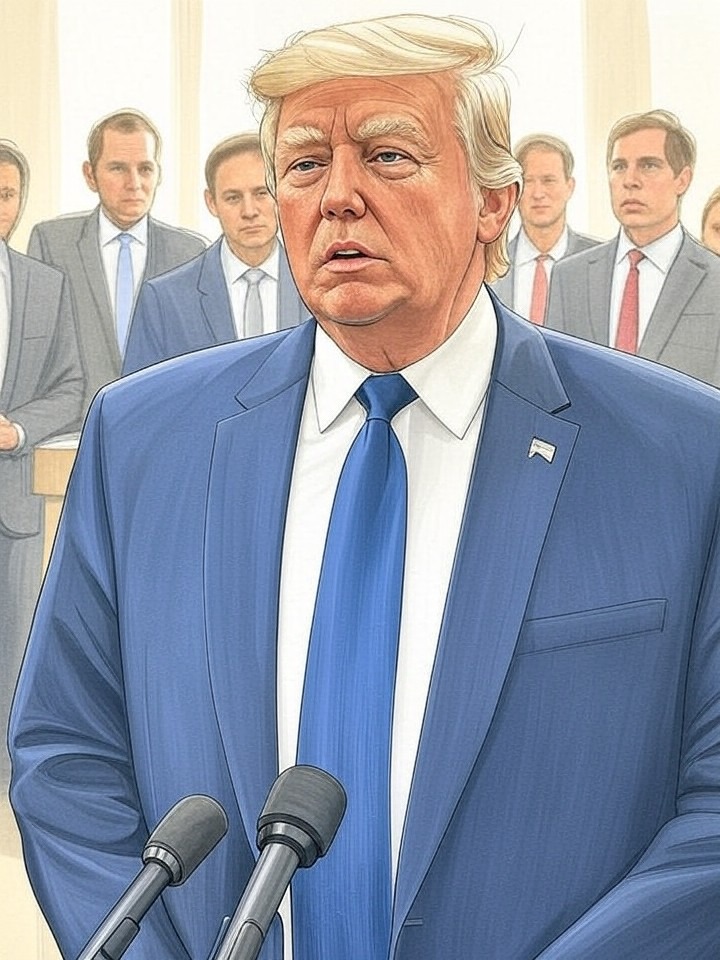
Illustration for: Tensions Rise Over Federal Immigration Crackdown Following Fatal Shootings and Shutdown Threat
AI-generated illustration. Visual interpretation does not represent real individuals or scenes.

THE BARE STORY

Political and public discord surrounding federal immigration enforcement has intensified following the death of Alex Pretti, a 37-year-old ICU nurse killed by a federal agent in Minneapolis during "Operation Metro Surge." Department of Homeland Security (DHS) Secretary Kristi Noem stated the agent fired "defensive shots" because Pretti was brandishing a handgun, though reports cite video evidence suggesting he was holding a phone. This incident follows the recent death of Renee Good, another U.S. citizen killed during an encounter with Immigration and Customs Enforcement (ICE), prompting protests and calls for legislative action.

On Tuesday, January 27, 2026, President Donald Trump rejected calls for Secretary Noem’s resignation, asserting she is doing a "very good job" securing the border. Conversely, Minnesota Governor Tim Walz published an op-ed characterizing the administration's tactics as "organized brutality" and "un-American," alleging agents have acted without warrants and profiled local police. A White House spokesperson responded by accusing Walz of smearing officers to protect criminals. Despite the public clash, President Trump later stated he and the governor had a constructive call to coordinate future enforcement efforts.

The controversy has stalled legislative proceedings, with Senate Democrats threatening to block a DHS funding bill in response to the violence. While this standoff risks a partial government shutdown by Friday that would impact agencies such as FEMA and the TSA, immigration enforcement operations remain funded through 2029 due to the previously passed "One Big Beautiful Bill Act." DHS Assistant Secretary Tricia McLaughlin argued that blocking the funds endangers national security and disaster response.

Public scrutiny has extended to earlier encounters, including the October arrest of U.S. citizen Dayanne Figueroa in Chicago. Figueroa testified that she was detained and traumatized after colliding with unidentified agents, while DHS officials allege she assaulted federal officers. High-profile figures, including Martha Stewart, have recently issued statements condemning the violence, citing the fatalities as a turning point for civic engagement.

Same Facts. Different Perspectives.

Two AI models. Two viewpoints. One factual foundation.

• Opponents condemn federal enforcement tactics as excessive and dangerous to U.S. citizens. Minnesota Governor Tim Walz described the administration's methods as "organized brutality" and "un-American," alleging that agents have profiled local police and acted without warrants. These concerns have intensified following the deaths of U.S. citizens Renee Good and Alex Pretti during interactions with federal agents.

• Evidence and testimony are cited to challenge official accounts of violent encounters. While DHS claims agents acted in self-defense, reports point to video evidence suggesting Pretti was holding a phone, not a gun, at the time of his death. Furthermore, citizen Dayanne Figueroa testified that she was detained and traumatized by unidentified agents, disputing DHS allegations that she had assaulted officers.

• Lawmakers and public figures are leveraging funding battles to demand accountability for the violence. Senate Democrats have threatened to block a DHS funding bill, risking a partial government shutdown to press for legislative action regarding the recent killings. High-profile figures and protesters argue that these fatalities mark a critical turning point that necessitates immediate civic and political intervention.

How it may affect me

As a U.S. reader:

• You may face service disruptions from agencies like FEMA and the TSA if a legislative standoff over DHS funding triggers a partial government shutdown this Friday.

• Immigration enforcement activities in your community will likely continue uninterrupted, as these operations remain funded through 2029 regardless of the current budget dispute in Congress.

• U.S. citizens may encounter heightened risks during federal operations, citing reports of recent fatalities, warrantless actions, and the detention of citizens during immigration sweeps.

• Residents may see increased local protests and political friction as state officials and high-profile figures mobilize against federal tactics following recent violent encounters.

Read the story at

Note: All TheBareNews content is AI-generated. For additional context, reporting, and updates, you are invited to explore the news outlets linked above.