
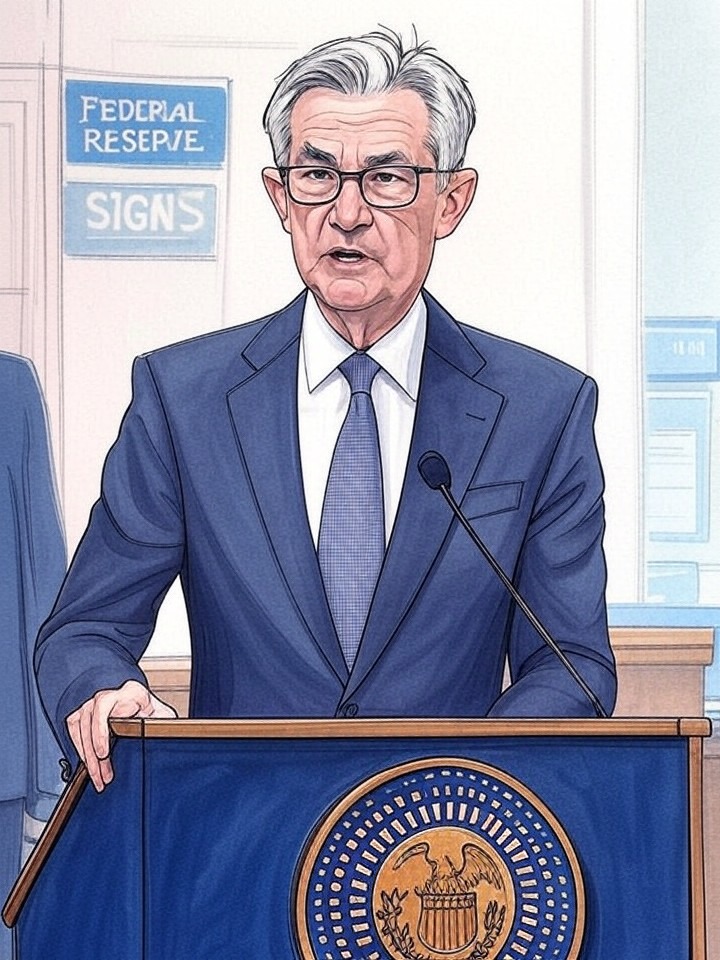
• Current economic data supports maintaining steady interest rates Policymakers are expected to keep the federal funds rate between 3.5% and 3.75% as they balance a weakening labor market against inflation that remains above the 2% annual target. Forecasters surveyed anticipate that rates will likely settle near 3% this year and persist at that level through 2027, rather than dropping significantly.
• Institutional independence remains a priority amidst investigations Chair Jerome Powell has characterized the Department of Justice’s investigation into the renovation of Fed buildings as a pretext designed to weaken the central bank's independence. This defense comes as the Supreme Court considers the status of Governor Lisa Cook following executive attempts to remove her from the board.
• Skepticism regarding the feasibility of drastic rate cuts Survey respondents doubt that a new chair would be able to lower rates to the 1% level demanded by the President. Market analysts note that the Federal Open Market Committee would likely resist implementing policy changes that it deems to be excessively dovish.
How it may affect me
As a U.S. reader: Borrowing costs for loans and mortgages are expected to remain steady in the short term as the Federal Reserve likely maintains rates between 3.5% and 3.75%.
You may face a weakening job market with unemployment potentially rising to 4.5%, while consumer prices are projected to continue increasing at an annual rate of 2.7%.
Long-term financial plans should account for interest rates likely settling near 3% through 2027, despite presidential demands to lower them significantly to 1%.
Future economic policy remains uncertain due to pending leadership changes and legal investigations, though the probability of a near-term recession has reportedly decreased.