
• Recent fatal shootings motivate the blockade The decision to block the spending package follows the shooting of Alex Pretti, a U.S. citizen killed by federal immigration agents in Minneapolis. This event marks the second such fatal incident in the city this month, contributing to heightened tensions surrounding federal enforcement activities.
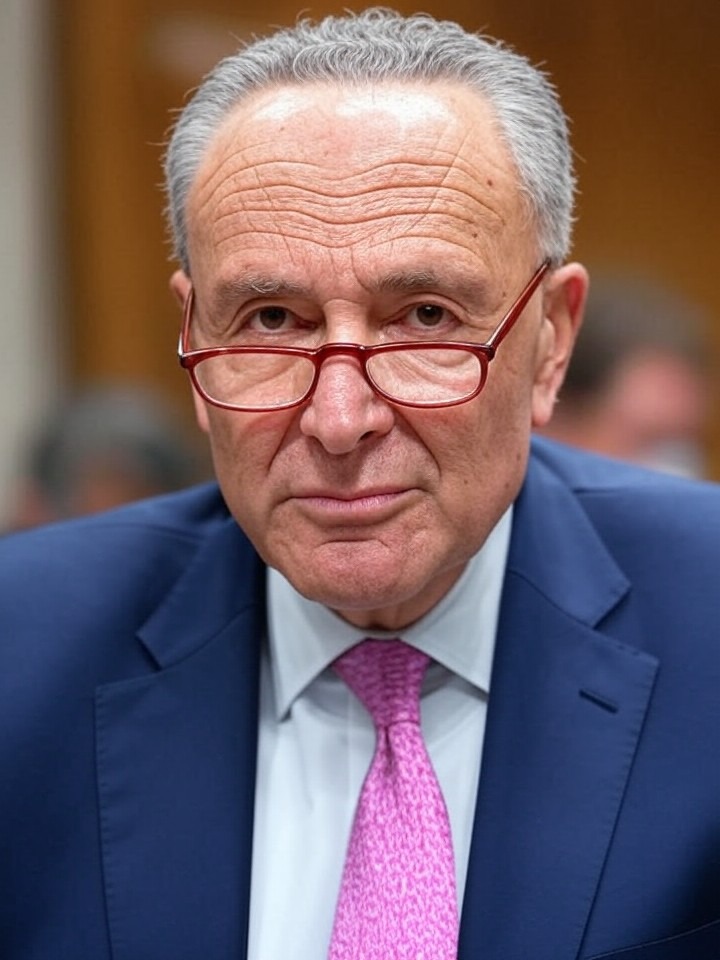
• Concerns regarding alleged agency abuses Senate Minority Leader Chuck Schumer has argued that the current legislation fails to adequately address alleged abuses by Immigration and Customs Enforcement (ICE). Additionally, local officials have raised specific concerns regarding federal operations in Minneapolis, where the Department of Homeland Security reported over 3,000 arrests.
• Proposal to separate DHS appropriations In an effort to manage the legislative deadlock, Independent Senator Angus King has suggested a change in the funding structure. King proposed separating the Department of Homeland Security appropriations from the broader $1.2 trillion package to allow for continued negotiation on that specific issue.
How it may affect me
As a U.S. reader:
• If the January 30 deadline passes without a resolution, unfunded federal agencies will be forced to reduce operations, potentially disrupting non-essential government services.
• National security and public safety operations may face uncertainty, though officials state that essential personnel will likely remain on duty even if the Department of Homeland Security loses funding.
• Residents in Minneapolis may face continued community tension regarding federal enforcement following reports of over 3,000 arrests and two recent fatal shootings involving immigration agents.
• The current deadlock may lead lawmakers to separate Department of Homeland Security funding from the broader $1.2 trillion package to prevent a wider government shutdown.