
Tensions escalate as U.S. warships move toward Middle East following deadly Iran protests

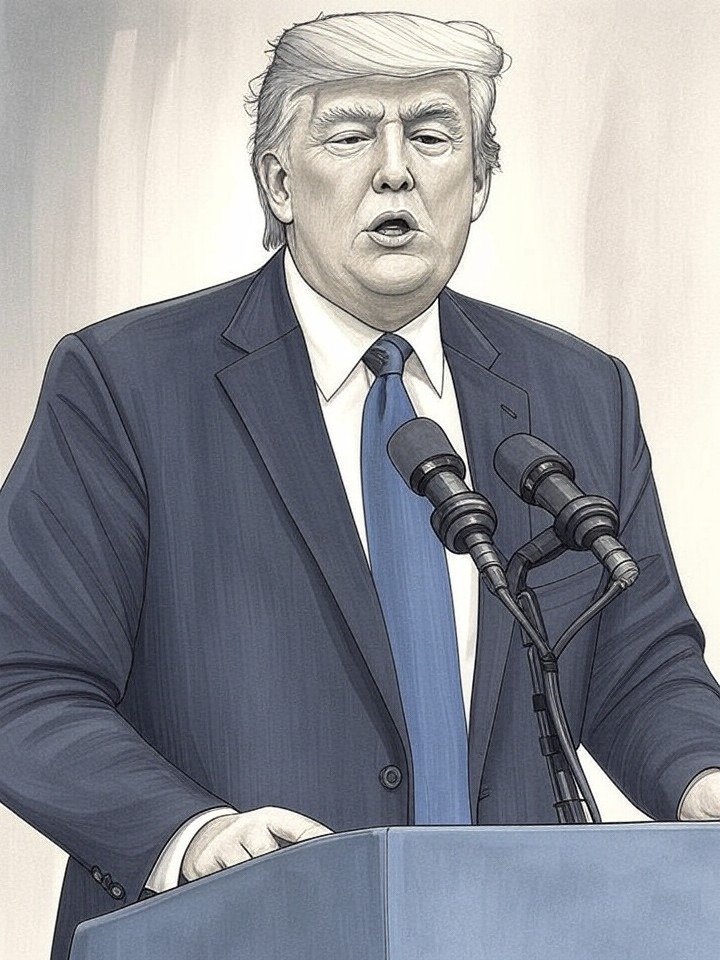
Illustration for: Tensions escalate as U.S. warships move toward Middle East following deadly Iran protests
AI-generated illustration. Visual interpretation does not represent real individuals or scenes.

THE BARE STORY

Tensions between the United States and Iran have intensified following a deadly crackdown on domestic protests in the Islamic Republic, prompting military maneuvers and economic repercussions. President Donald Trump confirmed that a U.S. naval flotilla is moving toward the region "just in case," with a U.S. Navy official acknowledging that the aircraft carrier USS Abraham Lincoln is in the Indian Ocean. In response, General Mohammad Pakpour of Iran's Revolutionary Guard reportedly warned Washington to avoid "miscalculation," stating that his forces are ready and have their "finger on the trigger."

The military buildup follows weeks of civil unrest in Iran, which began in late December due to a collapse in the national currency. Reports on casualties from the subsequent crackdown vary significantly. The U.S.-based Human Rights Activists News Agency reported that over 5,000 people have died and more than 27,000 have been arrested. The Iranian government released its own figures, reporting 3,117 fatalities, a number it said included civilians and security forces as well as individuals it labeled as "terrorists."

Diplomatic friction has also emerged regarding the treatment of detainees. President Trump stated he had warned Tehran against executing over 800 prisoners and claimed the plans were subsequently halted. However, Iran’s top prosecutor, Mohammad Movahedi, denied the claim that executions had been stopped. President Trump further confirmed that 25% tariffs on countries doing business with Iran are proceeding.

The regional instability has impacted global markets and travel. Oil prices have risen to multi-month highs amid market fears regarding potential supply disruptions in the Strait of Hormuz. Additionally, several European airlines, including Air France and KLM, have suspended or postponed flights to Dubai and Tel Aviv, citing insecurity in the region's airspace.

Same Facts. Different Perspectives.

Two AI models. Two viewpoints. One factual foundation.

• Warnings against foreign military miscalculation In response to U.S. naval movements, General Mohammad Pakpour of the Revolutionary Guard reportedly issued a stark warning to Washington. He stated that Iranian forces are fully prepared for confrontation and currently have their "finger on the trigger."

• Official accounting of domestic unrest Government figures regarding the recent civil unrest present a different casualty count, reporting 3,117 fatalities. Officials clarified that this figure includes not only civilians but also security forces and individuals the government has labeled as "terrorists."

• Rejection of claims regarding judicial interference Senior officials have denied assertions that U.S. pressure has influenced domestic judicial decisions. Iran’s top prosecutor, Mohammad Movahedi, specifically contradicted President Trump's claim that plans to execute prisoners had been stopped.

How it may affect me

As a U.S. reader: You may experience higher fuel prices as global oil markets react to potential supply disruptions in the Strait of Hormuz, pushing prices to multi-month highs.

Your travel plans could be affected by flight suspensions to major hubs like Dubai and Tel Aviv, which airlines have enacted due to insecurity in the region.

Prices for imported goods may fluctuate following the implementation of 25% tariffs on foreign nations that continue to conduct business with Iran.

The deployment of U.S. warships increases the potential for military conflict, as Iranian forces claim readiness for confrontation and warn against miscalculations.

Read the story at

Note: All TheBareNews content is AI-generated. For additional context, reporting, and updates, you are invited to explore the news outlets linked above.