
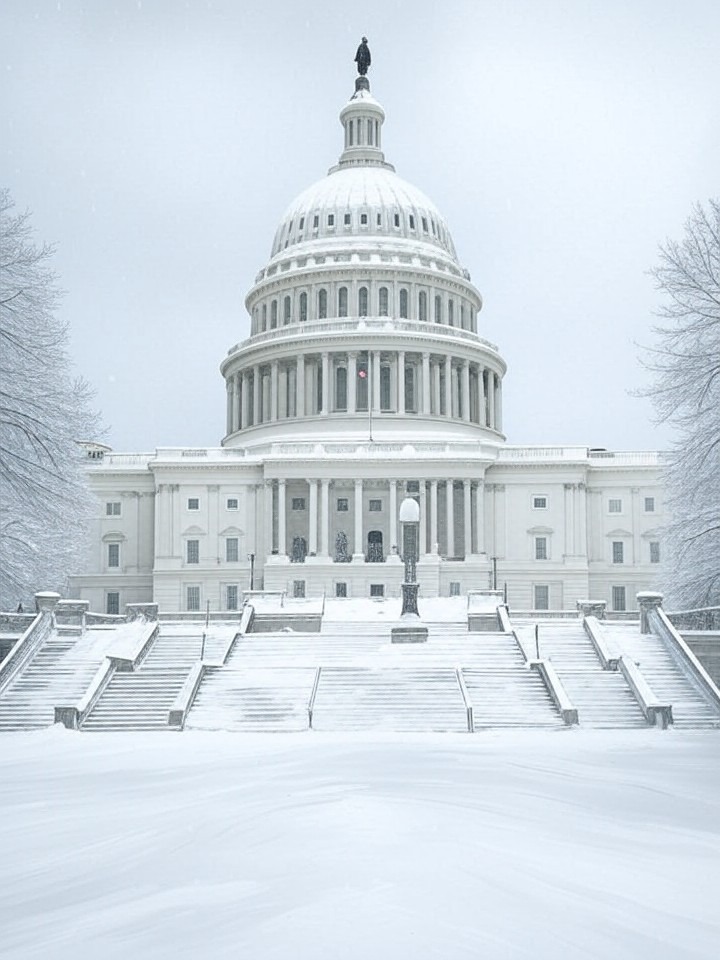
• Necessary step to avoid shutdown Senator Patty Murray argues that this legislation represents a necessary compromise effectively designed to avoid a temporary continuing resolution. Senate Majority Leader John Thune’s office emphasized that despite weather-related scheduling delays, the urgency to fund the government remains unchanged before the January 30 deadline.
• Legislation contains no "poison pills" Republican Senator Katie Britt defended the package by asserting that the text does not contain "poison pills" that would derail its passage. This position is reinforced by the bill’s previous success in the House of Representatives, where seven Democrats crossed party lines to join Republicans in voting for the measure.
• Secures critical defense investments Leaders from both parties are hopeful that the specific inclusion of funding for the Pentagon will help garner the 60 votes required to advance the bill in the Senate. Senator Murray noted that the legislation is preferable to a short-term fix because it explicitly protects these critical investments.
How it may affect me
As a U.S. reader:
• The weather-caused delay compresses the timeline for Senate approval, increasing the risk of a government shutdown if the January 30 deadline is missed.
• Successful passage would secure long-term funding for the Pentagon and Department of Homeland Security, avoiding the operational uncertainty of temporary continuing resolutions.
• If enacted without changes, the bill funds current administration enforcement strategies that critics argue lack sufficient safeguards against executive authority.
• Conservative opposition to earmarks may lead to the removal of specific local funding provisions from the final package before the vote occurs.