
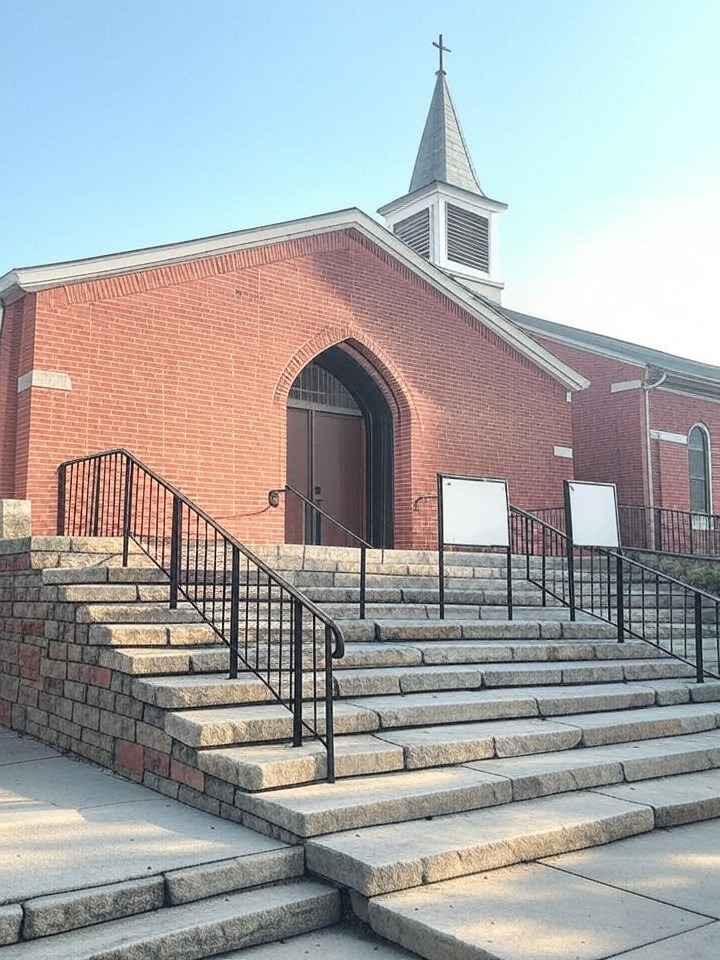
• Description of the event as nonviolent The defendants and their supporters dispute the government's portrayal of the incident, characterizing the protest as a nonviolent, verbal demonstration. Armstrong’s husband asserted that the group’s actions were peaceful, while activist William Kelly previously claimed on social media that they had been invited into the church prior to the arrests.
• Concerns over government messaging Critics point to the distribution of a manipulated image of Nekima Levy Armstrong by administration officials as evidence of misleading narratives. Digital forensics experts indicated the photo, which appeared to show Armstrong crying instead of her original neutral expression, was likely edited using artificial intelligence, though a White House spokesperson dismissed the post as a "meme."
• Allegations regarding ICE tactics The protest took place amid broader unrest following a fatal shooting by an ICE officer and disputed accounts of a separate enforcement operation. Regarding the latter, witnesses and local officials alleged that agents detained a 5-year-old boy and used the child as "bait" to apprehend his father during a raid.
How it may affect me
As a U.S. reader: Protests conducted within religious institutions may result in federal charges for conspiracy against rights or interfering with worship, as authorities strictly enforce protections for religious services.
Journalists covering demonstrations inside private venues may remain protected from prosecution if they are documenting events rather than participating, as indicated by recent judicial decisions regarding press involvement.
Citizens relying on official government communications may need to verify the authenticity of visual media, following the administration's acknowledged use of digitally altered images described as memes.
Public trust in immigration enforcement may fluctuate due to conflicting narratives regarding ICE protocols, specifically concerning the safety and treatment of minors during arrest operations.