
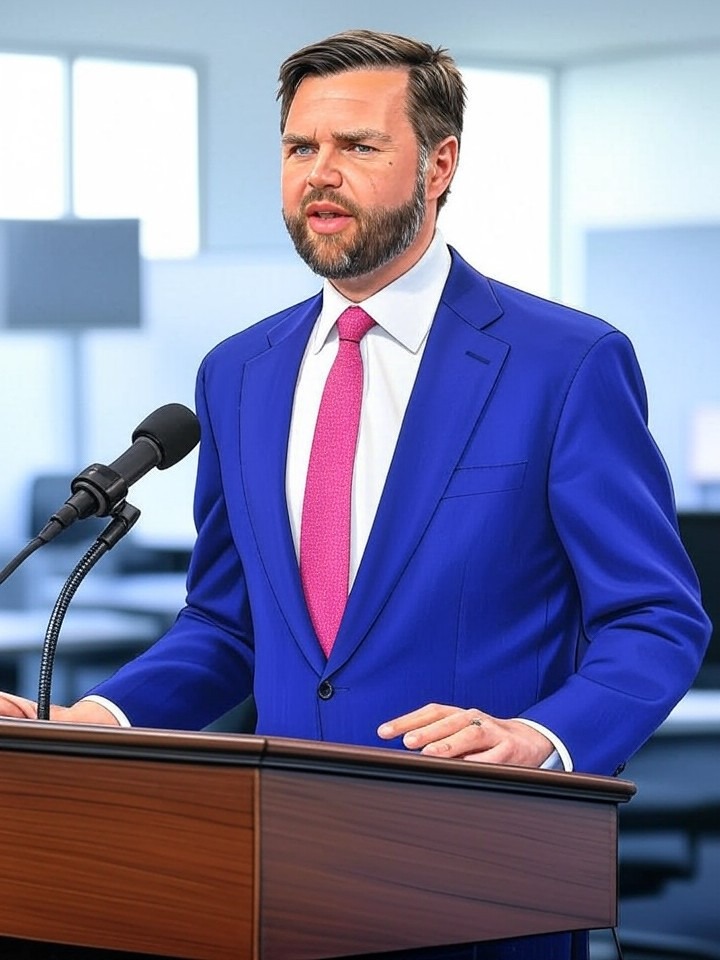
• The administrative stay ensures operational safety A Department of Homeland Security spokesperson characterized the federal appeals court’s decision to pause the lower court's restrictions as a necessary safety measure. This legal stay temporarily lifts prohibitions on specific tactics, allowing federal agents to operate without the constraints previously imposed by the district court during the Vice President's visit.
• Local non-cooperation forces community arrests Federal officials argue that the refusal of specific counties to honor immigration detainers compels agents to conduct enforcement operations in the community rather than within jails. Marcus Charles, a senior ICE official, stated that while the state Department of Corrections cooperates, the lack of support from certain local jurisdictions forces agents to locate and arrest individuals after they have been released from local custody.
• Operations target sanctuary jurisdictions based on policy Commentators note that the surge in federal activity is a direct strategic response to local sanctuary policies and population metrics. Former ICE Acting Director John Sandweg explained that the agency targets cities based on the size of their immigrant populations and the existence of policies that refuse detainers, resulting in increased federal presence to apprehend individuals.
How it may affect me
As a U.S. reader:
• Residents in Minneapolis may encounter federal agents using nonlethal munitions or chemical irritants during protests, as the court stay temporarily lifts restrictions on these tactics.
• Communities in jurisdictions that refuse immigration detainers may experience increased federal enforcement in public spaces, as agents shift focus to conducting arrests outside of jails.
• Public health in areas with high enforcement activity may decline if residents skip medical care due to fear, despite DHS statements that hospitals are not targets.
• Individuals in the region could be subject to stops or detention without reasonable suspicion while the lower court's injunction banning such practices is paused.