
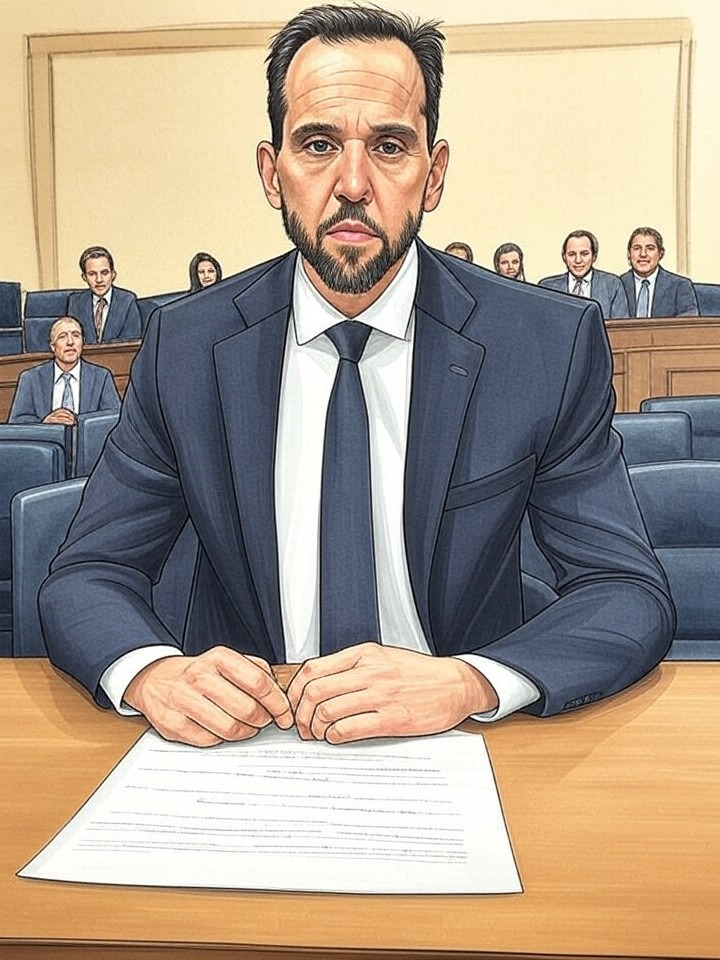
• Investigations were strictly legal and apolitical Former special counsel Jack Smith testified that his office operated "by-the-book" regarding the probes into the 2020 election and classified documents. He asserted that political considerations played no role in his decisions and that he would have pursued the same charges against any president under similar facts.
• Subpoenas complied with Department of Justice policy responding to questions about the acquisition of congressional phone records, Smith maintained that the subpoenas issued were proper and narrow in scope. He defended the procedural steps taken by his office, stating they were fully compliant with the Department of Justice policies in effect at the time.
• Criticism is a distraction from underlying facts Democratic committee members, including Representative Jamie Raskin, praised Smith and pushed back against the accusations leveled by the majority. Raskin argued that the attempts to discredit the investigation were a strategic move designed to distract the public from the factual basis of the prosecutions.
How it may affect me
As a U.S. reader: You may observe shifts in Justice Department operations, as Smith testified he anticipates facing charges directed by the president, signaling potential changes to the independence of federal prosecutors.
Disputes over the acquisition of congressional phone records may lead to revised policies regarding how federal agencies conduct surveillance on lawmakers and handle legislative data.
Public confidence in federal law enforcement may fluctuate as leadership debates whether the special counsel's actions constituted impartial justice or politically motivated election interference.