
Former Special Counsel Jack Smith Defends Trump Probes in Contentious House Hearing

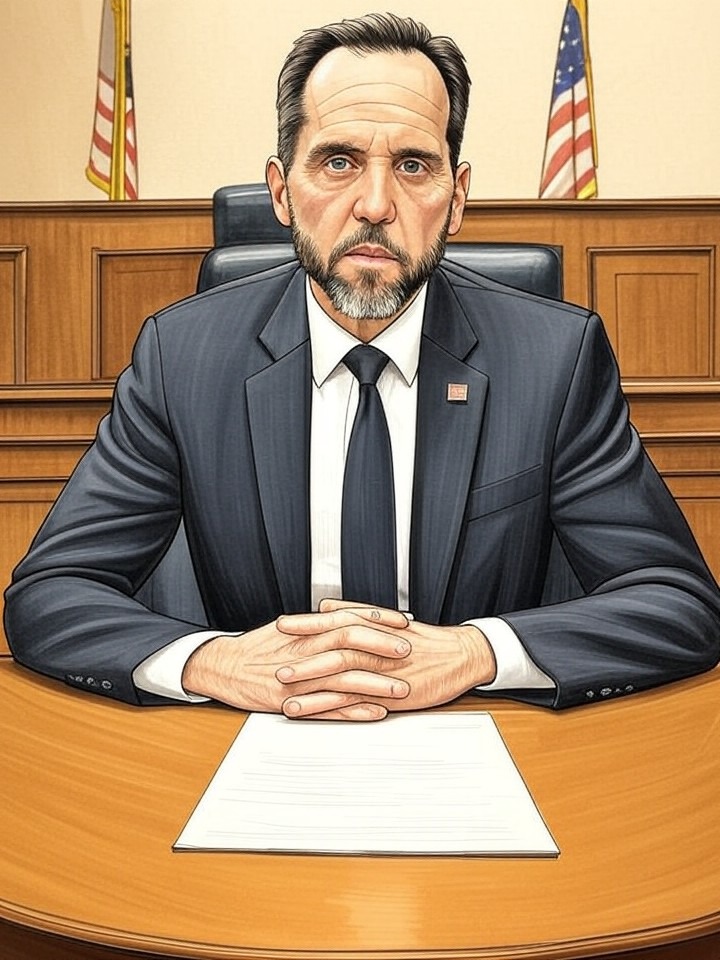
Illustration for: Former Special Counsel Jack Smith Defends Trump Probes in Contentious House Hearing
AI-generated illustration. Visual interpretation does not represent real individuals or scenes.

THE BARE STORY

Former special counsel Jack Smith testified publicly for the first time on Thursday before the House Judiciary Committee regarding his federal investigations into President Donald Trump. The hearing scrutinized Smith’s oversight of probes into Trump’s handling of classified documents and alleged efforts to overturn the 2020 election results. Both cases were dismissed after Trump won a second term in November 2024, citing a Justice Department policy against prosecuting a sitting president.

During the session, Smith defended the integrity of his work, asserting that his charging decisions were based solely on evidence and were not politically motivated. He testified that the investigation uncovered proof that Trump "willfully broke the law" and was "looking for ways to stay in power" leading up to the January 6 Capitol attack. Smith also alleged that the President obstructed justice regarding the retention of sensitive records. His testimony on the documents case was limited, however, as U.S. District Judge Aileen Cannon has ordered a portion of his final report to remain sealed.

Republican committee members, led by Chairman Jim Jordan, challenged Smith’s conduct, characterizing the investigations as a "weaponization" of the government designed to interfere with the 2024 election. Lawmakers aggressively questioned Smith regarding his investigative tactics, particularly the subpoenaing of phone records belonging to Republican members of Congress. Smith maintained that obtaining the records was necessary and non-partisan because Trump had communicated with those individuals. On social media, President Trump criticized the proceedings, suggesting that Smith used "corrupt" witnesses and should face scrutiny from the current Attorney General.

Democrats on the committee, including Ranking Member Jamie Raskin, defended the special counsel, arguing that the findings demonstrated a criminal scheme by the President. The hearing featured heated exchanges, including interruptions that required procedural intervention. This public testimony followed an eight-hour closed-door deposition Smith provided to the committee in December.

Same Facts. Different Perspectives.

Two AI models. Two viewpoints. One factual foundation.

• Investigations were based on evidence of law-breaking rather than political motivation Smith testified that his charging decisions were driven solely by evidence, defending the integrity of his work against claims of bias. He asserted that the investigation uncovered proof that President Trump "willfully broke the law" and obstructed justice regarding the retention of sensitive records.

• Investigative tactics, including subpoenas, were deemed necessary and non-partisan Addressing the scrutiny regarding the subpoenaing of phone records belonging to Republican members of Congress, Smith maintained that these actions were essential to the inquiry. He argued the steps were non-partisan because they were taken specifically because the President had communicated with those individuals.

• Findings suggest a criminal scheme to obstruct justice and overturn election results Ranking Member Jamie Raskin and other Democrats argued that the special counsel's findings demonstrated a criminal scheme by the President. Smith testified that the investigation revealed Trump was "looking for ways to stay in power" leading up to the January 6 Capitol attack.

How it may affect me

As a U.S. reader:

• The dismissal of federal cases confirms the practical application of Justice Department policy protecting sitting presidents from prosecution, establishing a precedent that halts legal proceedings during a presidential term.

• Scrutiny regarding the subpoenaing of congressional phone records may lead to new legislative or policy debates on the extent of investigative powers when probing elected officials.

• Calls for the current Attorney General to investigate the special counsel suggest that federal resources and personnel may shift toward reviewing the conduct of previous government inquiries.

• Public access to the full details of the federal investigation remains restricted, as portions of the final report regarding classified documents are currently under seal by court order.

Read the story at

Note: All TheBareNews content is AI-generated. For additional context, reporting, and updates, you are invited to explore the news outlets linked above.