
• Robotics as the solution to poverty Musk argued that rapid advancements in artificial intelligence and robotics constitute the exclusive path toward achieving "sustainable abundance." He told attendees that these technologies are necessary to solve global poverty, envisioning a future where robots eventually outnumber humans.
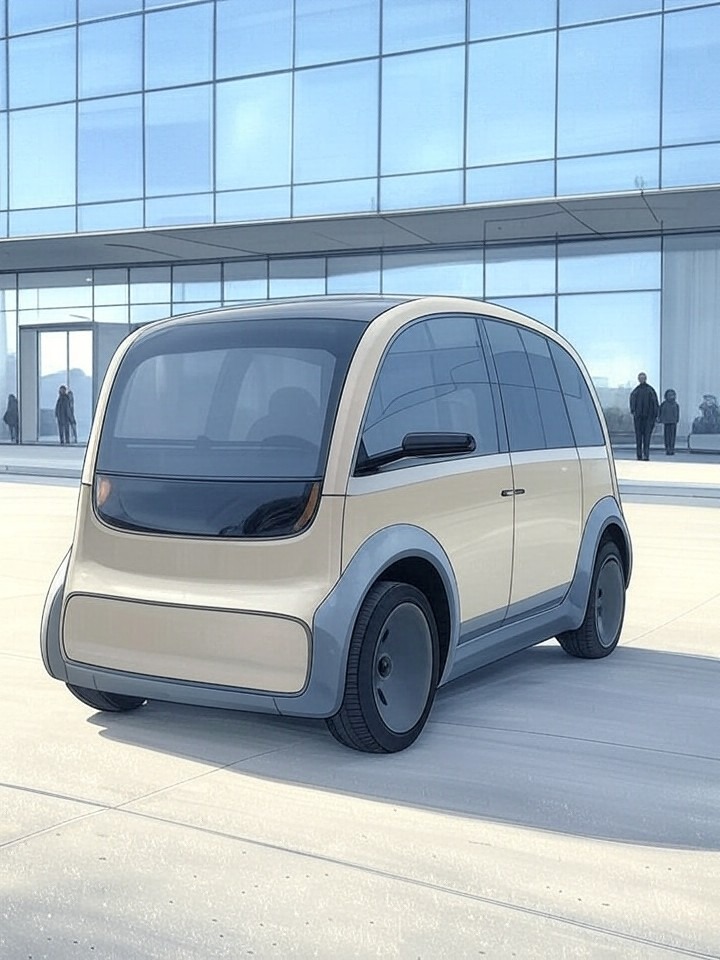
• Aggressive timelines for deployment The CEO outlined specific targets for Tesla’s autonomous products, predicting a "very, very widespread" robotaxi network in the U.S. by the end of 2026. Additionally, he stated that Tesla aims to begin selling its "Optimus" humanoid robots to the public by late 2027, with the machines expected to handle complex tasks by the end of this year.
• Significant market expansion expected Projections indicate that the integration of humanoid robots into labor-intensive sectors will drive substantial economic growth. Analysts estimate that the market for this technology could expand to at least $40 billion by 2035, supporting Musk's anticipation of widespread adoption.
How it may affect me
As a U.S. reader: You may have access to a widespread network of Tesla driverless robotaxis by the end of 2026 if the company successfully meets its projected timeline.
Personal ownership of humanoid robots capable of complex tasks could become a retail option by late 2027, potentially altering how you handle daily tasks.
Widespread deployment of these autonomous vehicles relies on Tesla securing permits to operate on public roads without the currently required human safety supervisors.
You might utilize autonomous transport from competitors like Waymo and Zoox in the near term, as they currently operate in select cities while Tesla continues supervised testing.
The integration of robotics into labor-intensive sectors could drive significant economic shifts, with the market projected to expand to at least $40 billion by 2035.