
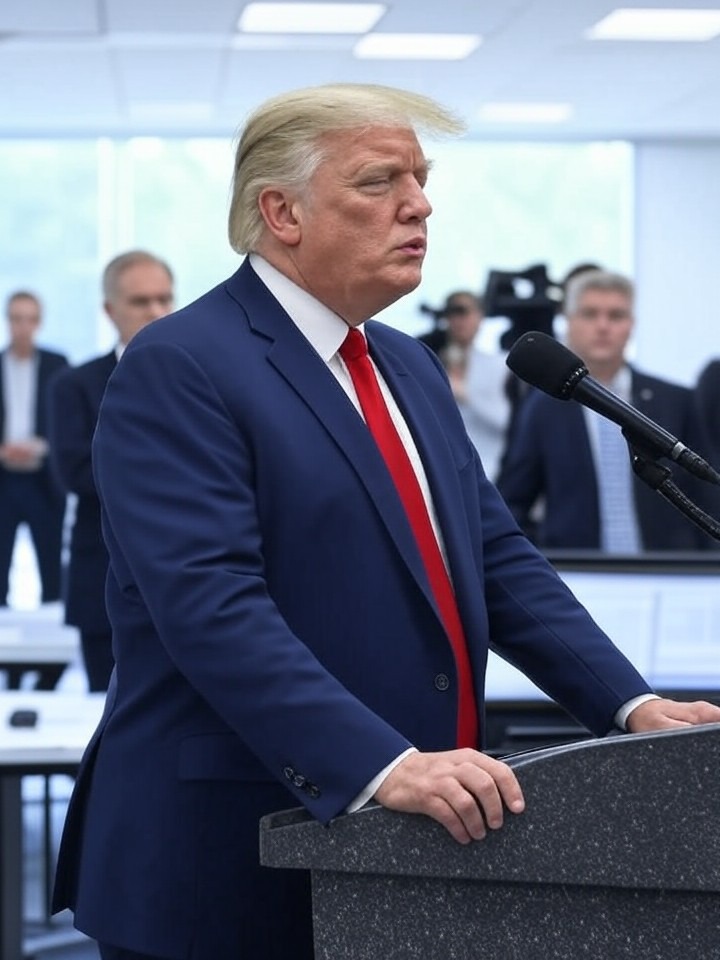
• Cites national security concerns regarding rival powers President Trump has identified the presence of Russian and Chinese ships in the region as a primary justification for seeking U.S. control over Greenland. The administration asserts that acquiring the self-governing territory is necessary to address these specific national security challenges.
• Willingness to utilize economic and military pressure To secure the island, the President has stated he would not rule out the use of military force or economic coercion. This approach includes threatened tariffs on eight European nations should they oppose the administration's plans following the conclusion of unresolved trilateral talks.
• Questions regarding the strength of the current alliance Vice President JD Vance has reportedly questioned the quality of Denmark's alliance with the United States during this standoff. This skepticism persists despite the existing diplomatic relationship, fueling the renewed efforts to change the status of the territory.
How it may affect me
As a U.S. reader: Consumers may encounter higher prices or trade disruptions if the President enacts threatened tariffs on eight European nations for opposing the administration's acquisition plans.
The risk of armed conflict involving U.S. forces may increase, as the President has not ruled out military action and NATO members have deployed troops to the region.
Diplomatic relations with key European allies could deteriorate, potentially complicating international cooperation, as the administration questions the value of existing alliances like the one with Denmark.
National security resources may shift toward the Arctic to counter Russian and Chinese presence, cited by the administration as the primary justification for seeking control of the island.