
• EU lawmakers halted the ratification of the US trade agreement. Bernd Lange, chair of the European Parliament’s Committee on International Trade, announced the pause on Wednesday in response to recent threats. He stated that the administration's use of tariffs as a coercive tool undermined the stability necessary for the trade relationship.
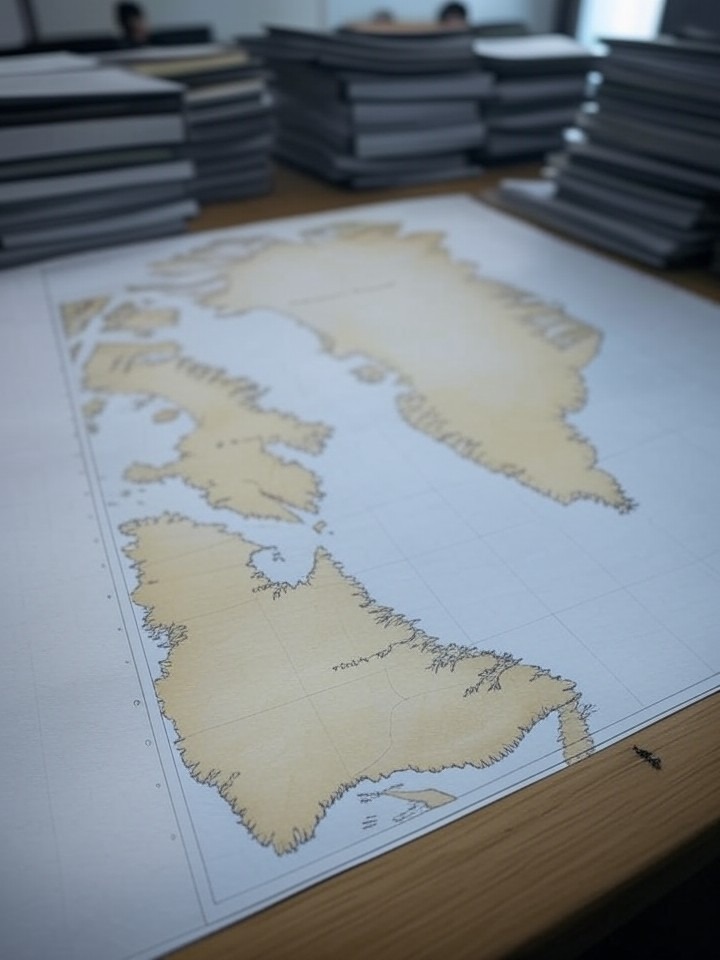
• Opposition centers on tariff threats linked to the acquisition of Greenland. The diplomatic dispute was triggered by the U.S. President's renewed push to acquire the self-governing territory of Denmark. This was accompanied by threats to impose levies starting at 10% on eight European nations, including France and Germany.
• Institutional investors are moving funds due to fiscal concerns. Amid the ongoing tensions, a Danish pension fund declared it would sell $100 million in U.S. Treasurys. The organization explicitly cited concerns regarding U.S. government finances as the driver for this divestment.
How it may affect me
As a U.S. reader:
• You may face higher prices for goods from eight European nations, including France and Germany, if tariffs escalating from 10% to 25% begin on February 1.
• Personal investment portfolios and retirement accounts could remain volatile, mirroring the recent sharp market fluctuations and subsequent rallies driven by changing geopolitical statements.
• Expected economic benefits from closer commerce with Europe are delayed indefinitely after EU lawmakers suspended the ratification of the pending trade agreement due to the dispute.
• Concerns regarding potential military conflict over the Greenland acquisition are alleviated, as the President explicitly ruled out the use of force despite ongoing economic pressure.