
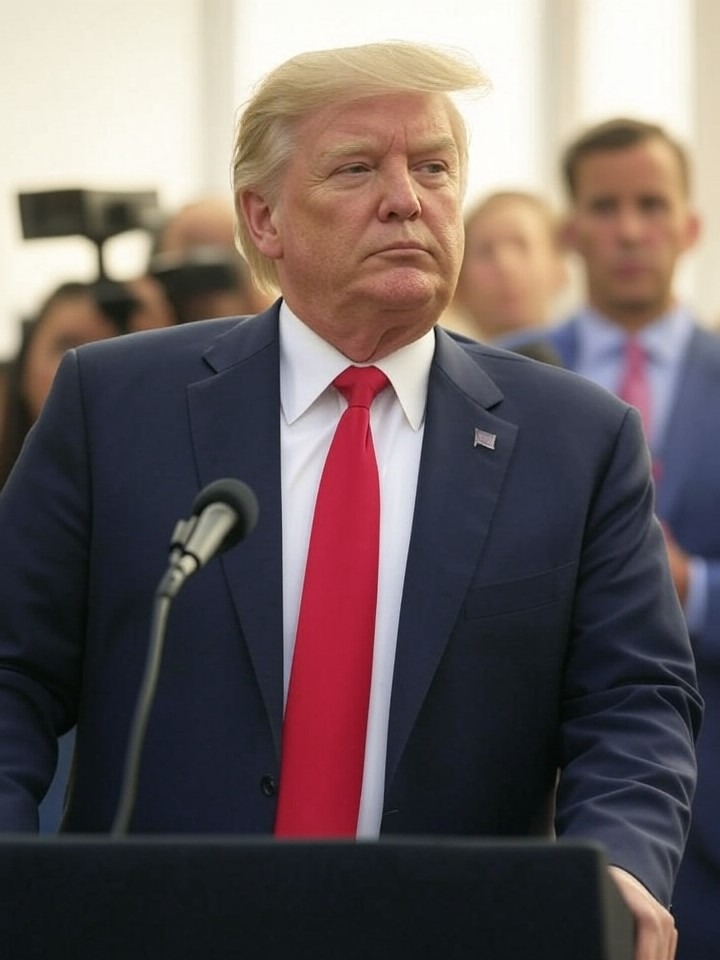
• Strong backing from the president The challenger enters the race with the full endorsement of President Donald Trump, who publicly encouraged her to run. Trump praised Letlow on social media, describing the Representative as a "total winner" and a "great star."
• Call for unwavering conservative representation In her announcement, Letlow argued that Louisiana deserves a senator who will not waver under pressure. This stance contrasts with the incumbent's history, specifically regarding tensions over his past vote to convict the president during the 2021 impeachment trial.
• Historic status as a representative Letlow has served as the Representative for Louisiana's 5th Congressional District since winning a special election in 2021. Upon her victory, she became the first Republican woman elected to Congress from the state.
How it may affect me
As a U.S. reader:
The race creates a split between the president and Senate Majority Leader John Thune, potentially complicating legislative coordination and party unity on future federal policy matters.
The election results will determine whether Senate Republicans move toward strict alignment with the president's agenda or maintain the independence demonstrated by incumbents like Senator Cassidy.
This contest serves as a test of whether legislators face political consequences for past votes to convict a president, potentially influencing how senators approach future controversial decisions.