
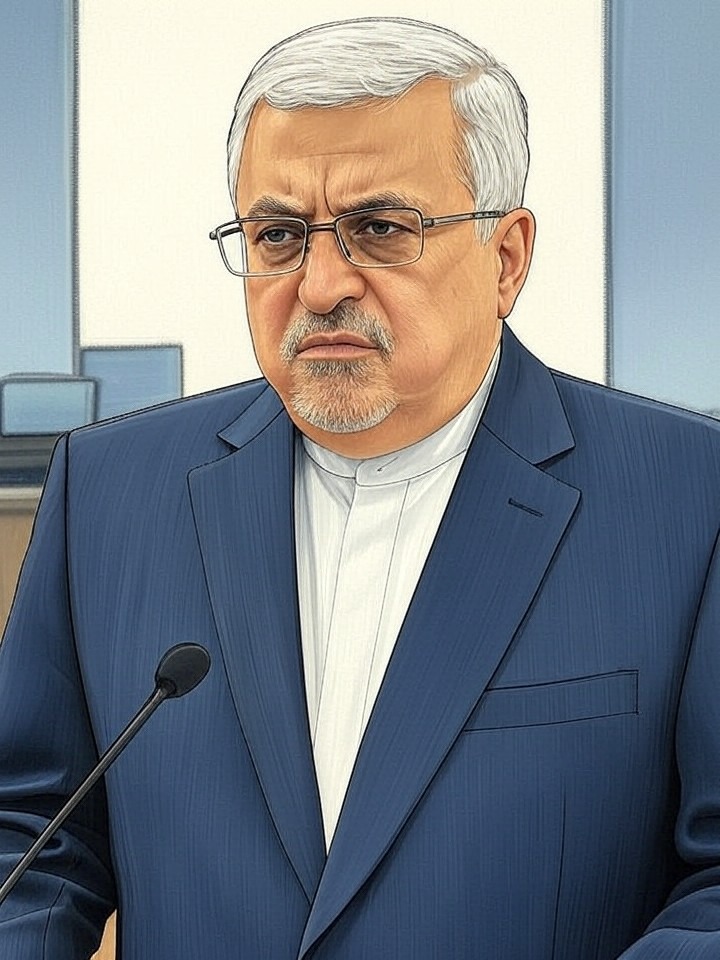
• Accusations of U.S. exploitation and aggression Foreign Minister Abbas Araghchi claims that Washington is using the current domestic unrest as a pretext to push for war. He views the movement of U.S. military assets toward the region as an aggressive exploitation of the internal situation rather than a humanitarian intervention.
• Attribution of violence to foreign interference While acknowledging that "several thousand" people have died, Supreme Leader Ayatollah Ali Khamenei blames U.S. interference for the instability. Araghchi similarly attributes the violence inside the country to "foreign and domestic terrorist actors" rather than organic anti-government demonstrations.
• Commitment to forceful military retaliation Tehran has warned that it will retaliate "with everything we have" against any future U.S. military attack. Despite expressing a preference for diplomacy, Iranian officials assert that their armed forces are prepared to respond forcefully to any external aggression.
How it may affect me
As a U.S. reader:
You may observe heightened military tensions as the U.S. positions an aircraft carrier group and fighter jets in the Middle East amidst Iranian threats of retaliation.
Access to verified information regarding the situation will be limited because the Iranian government has imposed an internet blackout during the security crackdown.
U.S. forces in the region face explicit warnings of a forceful response should American military assets conduct attacks against Iranian targets.
You can expect continued international diplomatic scrutiny as the United Nations Human Rights Council convenes a special session to address the reported lethal crackdown.