
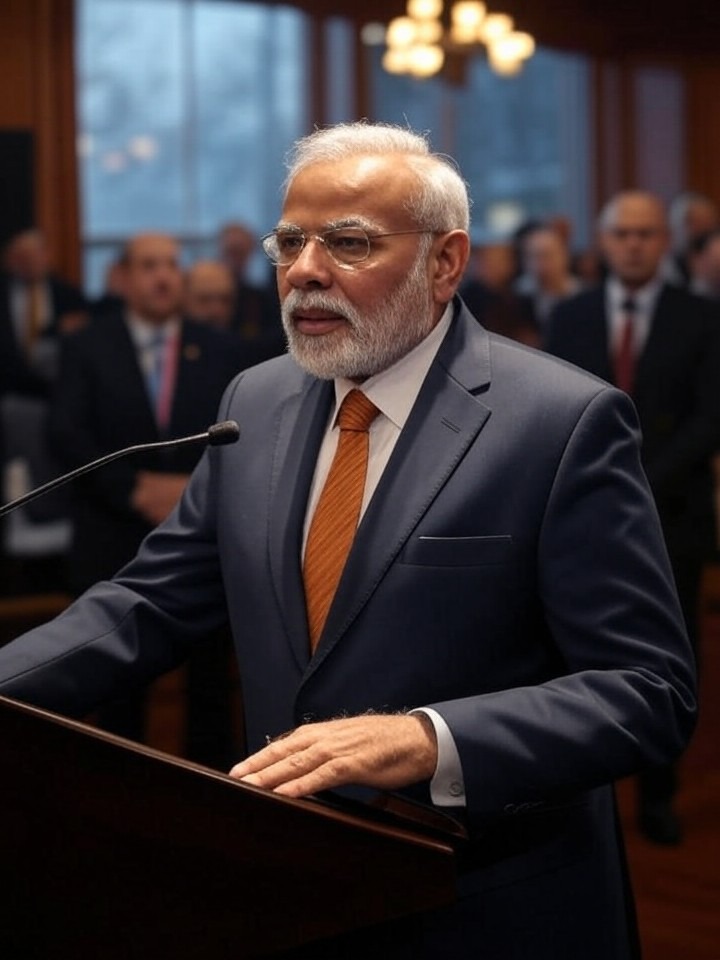
• World leaders emphasized the need to reject protectionism and embrace open investment. Indian Prime Minister Narendra Modi used his opening plenary address to warn against the dangers of protectionism, climate change, and terrorism. He positioned his nation as an open and attractive destination for international investment to counter these global threats.
• The agenda highlighted progressive values and gender equality as central pillars for future policy. Canadian Prime Minister Justin Trudeau focused his remarks on a progressive trade agenda during the event. He further announced that gender equality would serve as a primary focus of Canada’s upcoming G7 presidency.
• The forum aimed to address future challenges through the theme of shared responsibility. Operating under the theme "Creating a Shared Future in a Fractured World," the event sought to foster collaboration. Discussions included analyzing the future impact of artificial intelligence and navigating the tensions surrounding globalization.
How it may affect me
As a U.S. reader:
• Conflicting views on protectionism versus globalization at the forum may signal upcoming shifts in trade environments that could impact American international business interests and investment strategies.
• Canada's announcement making gender equality a central pillar of its G7 presidency suggests that U.S. trade and diplomatic agreements may increasingly face pressure to prioritize progressive social agendas.
• Strategic discussions regarding artificial intelligence and inequality could lead to new global economic frameworks that eventually influence American workforce trends and corporate regulations.
• Tensions between "America First" policies and the forum's globalist themes indicate potential diplomatic hurdles for the U.S. in securing international cooperation on security and climate issues.