
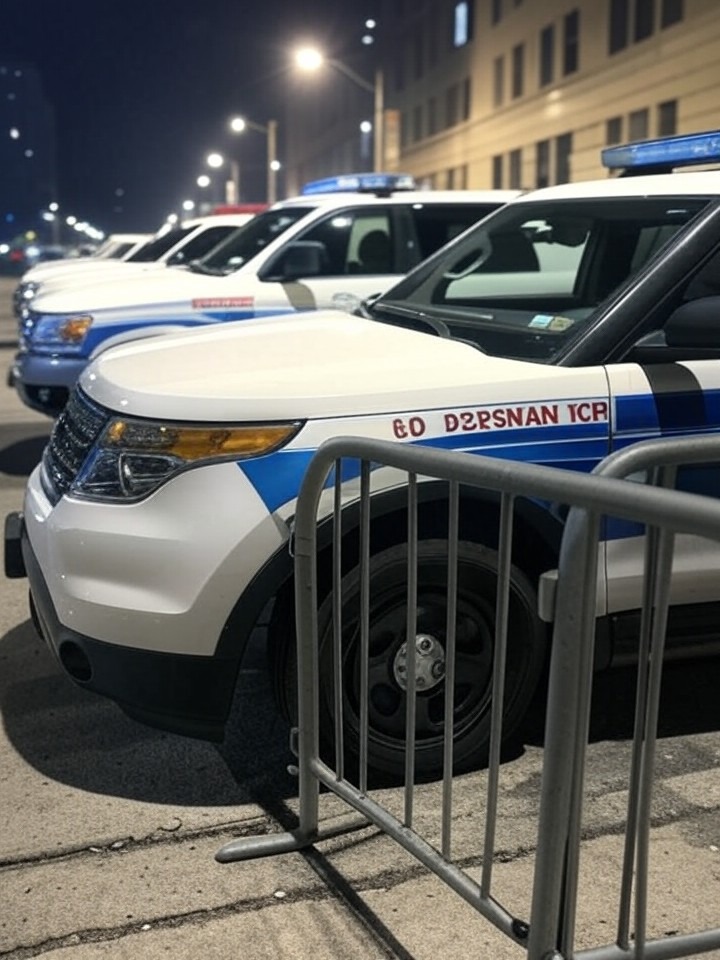
• Implementation of extensive enforcement measures The Department of Homeland Security has reported over 3,000 arrests as part of continued ICE operations throughout Minneapolis and the Twin Cities. South Dakota Governor Kristi Noem has publicly defended these federal actions, supporting the intensified operational surge in the region.
• Scrutiny of local leadership and military readiness Reports indicate that the Department of Justice is currently investigating Minnesota Governor Tim Walz and Minneapolis Mayor Jacob Frey amidst the ongoing unrest. Simultaneously, soldiers have been placed on standby for potential deployment to Minnesota while the DOJ navigates internal tensions regarding its probe into the shooting of Renee Good.
• Assertive foreign policy and tariff imposition President Trump has moved forward with new tariffs related to the dispute over Greenland, reportedly linking the decision to a perceived Nobel Peace Prize snub. Alongside these economic measures, reports suggest that NATO troops are being deployed to the region, while the administration continues engagement with Venezuelan opposition figures following the reported capture of President Maduro.
How it may affect me
As a U.S. reader: Residents in the Twin Cities area face potential safety risks and disruptions to daily routines due to ongoing protests, federal enforcement surges, and soldiers placed on standby.
Consumers and businesses may encounter economic shifts or higher costs following the implementation of new tariffs related to the diplomatic dispute over Greenland.
The arrest of over 3,000 individuals in Minneapolis will likely impact local workforce availability, family stability, and community services within the affected region.
Political investigations into the Minnesota Governor and Minneapolis Mayor could result in governance challenges or administrative delays as state officials navigate federal scrutiny amid civil unrest.