
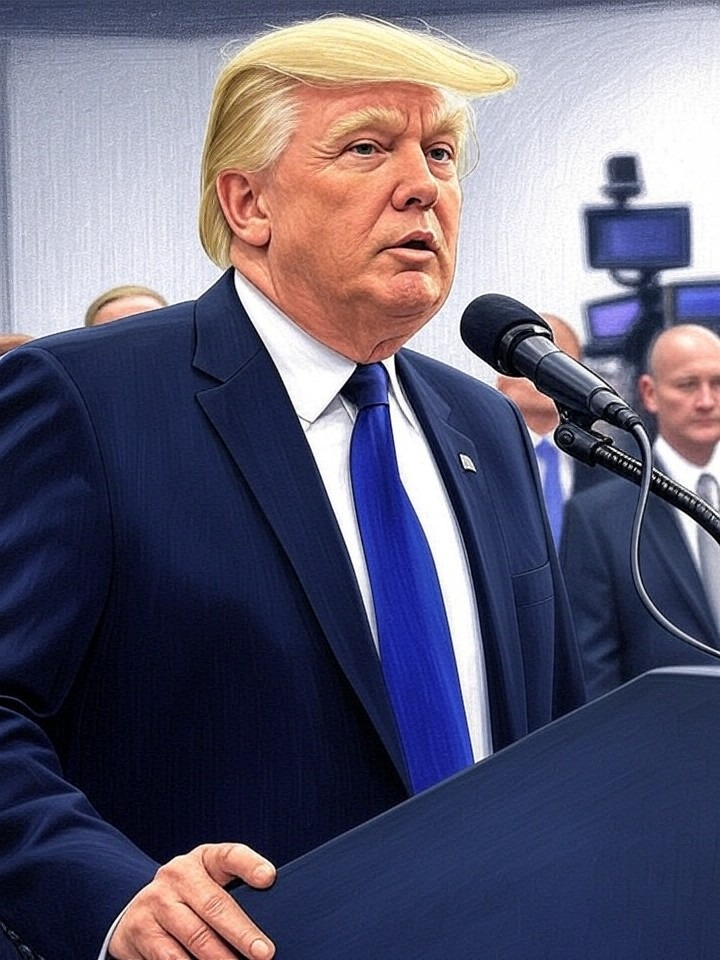
• Acquisition viewed as imperative for security President Trump has characterized the purchase of Greenland as necessary for both national and global security. This stance is driven by concerns regarding increasing Russian and Chinese activity in the Arctic and a stated need for expanded missile defense capabilities.
• Tariffs leveraged to compel a deal To facilitate the acquisition, the administration announced that 10% tariffs would be imposed on eight NATO members, including Denmark, the United Kingdom, France, and Germany. These penalties are scheduled to take effect on February 1, with rates set to rise to 25% in June if no agreement is reached.
• Chagos transfer reinforces strategic need President Trump criticized the United Kingdom's decision to transfer sovereignty of the Chagos Islands to Mauritius, labeling the move an "act of great stupidity." He argued that this decision further justifies the necessity of securing Greenland to maintain strategic stability.
How it may affect me
As a U.S. reader:
Consumers could face higher prices on imports from eight European nations starting February 1, with tariff rates potentially rising from 10% to 25% by June.
National defense strategies may shift as the administration seeks to expand missile defense capabilities in the Arctic to counter increasing Russian and Chinese activity.
Diplomatic relations with key NATO allies like the UK and Germany may face strain, potentially impacting the stability of long-standing international security partnerships.
U.S. foreign policy may increasingly prioritize territorial acquisition for strategic stability, as officials cite the Chagos Islands transfer as justification for securing Greenland.