
• Removal authority is justified by allegations of misconduct and misrepresentation The administration’s legal team argues that the president possesses the discretion to remove board members "for cause," specifically citing allegations that Governor Cook committed private mortgage fraud and made misrepresentations on documents. They contend that a Federal Reserve governor who appears to have lied should not be entrusted with setting national interest rates.
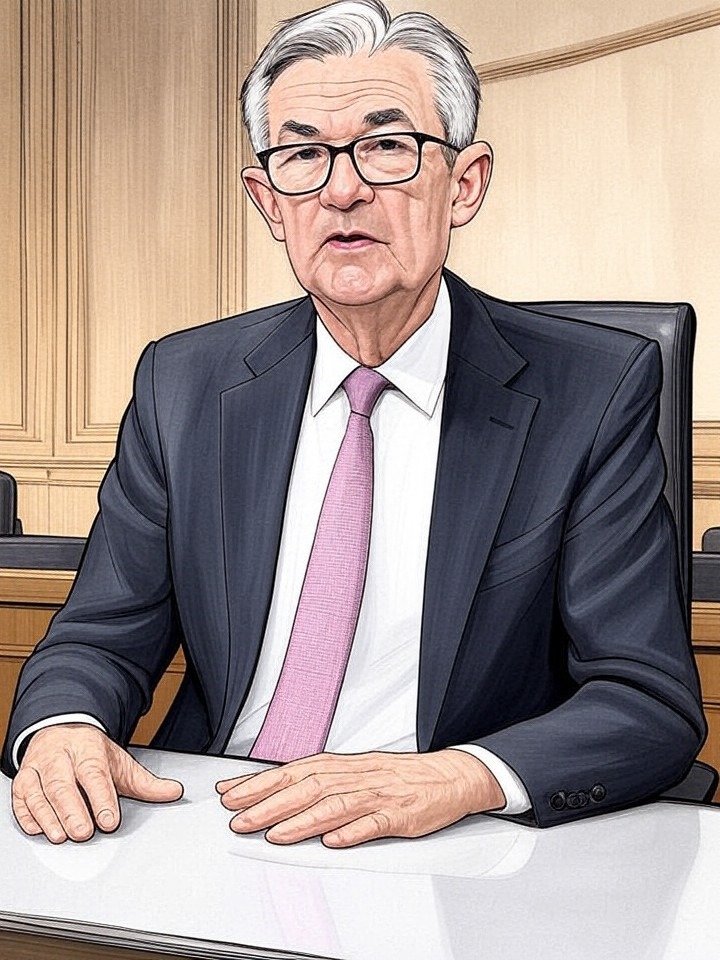
• Powell’s presence at the court is criticized as an attempt to politicize the case Treasury Secretary Scott Bessent labeled Chairman Jerome Powell's reported plan to attend the oral arguments as a "mistake." Bessent suggested that the chairman’s attendance would serve as an effort to influence the outcome of the hearing and politicize the central bank.
• Concerns regarding Fed leadership extend to criminal investigations of the Chairman The conflict includes a Justice Department probe into Powell, involving subpoenas related to his past congressional testimony about a building renovation. In previous statements, President Trump has questioned the chairman's integrity and competence, referring to him as "crooked" or "incompetent."
How it may affect me
As a U.S. reader: The Supreme Court ruling will determine if the president can remove Federal Reserve governors for cause, potentially shifting the board's balance and influencing interest rates for consumer loans.
A decision favoring the administration would establish a legal precedent regarding executive control over independent agencies, likely subjecting future economic policy decisions to greater political influence.
Escalating conflict between the White House and the Federal Reserve, including criminal investigations, creates institutional instability that may trigger volatility in financial markets and consumer savings.