
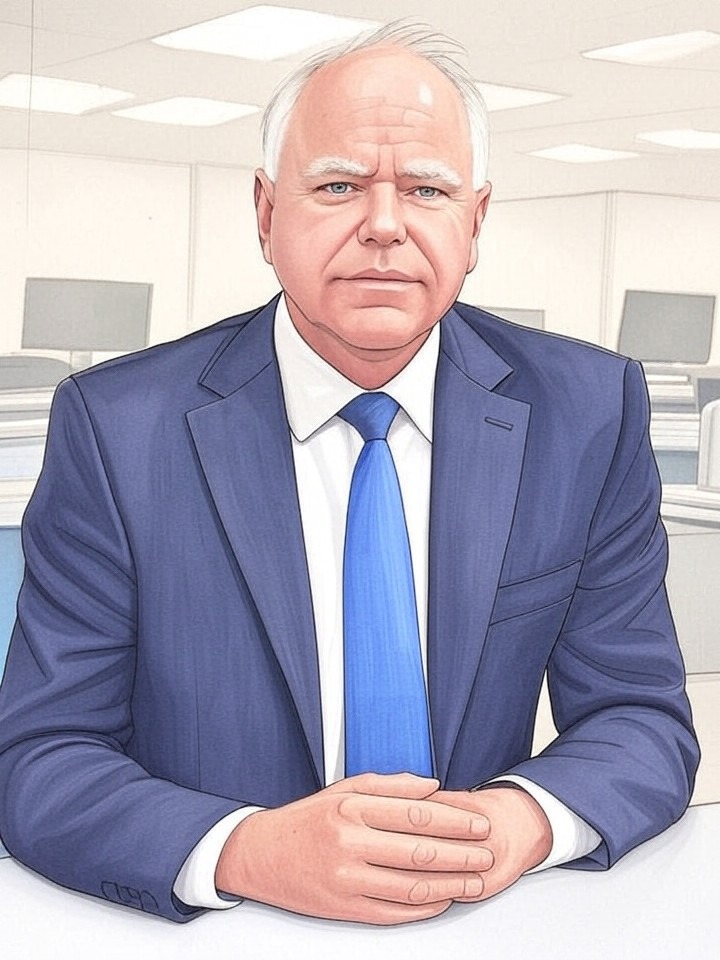
• Opposition to federal law enforcement presence Mayor Jacob Frey characterized federal agents operating in the area as an "occupying force," signalling significant friction between local leadership and federal authorities. This stance emerges amid deepening divisions following the fatal shooting of Renee Good by ICE agents.
• Calls for de-escalation from national leadership Governor Tim Walz publicly appealed to President Trump to "turn the temperature down" as tensions in the state continued to rise. The Governor’s request aims to address the escalating unrest and clashes between pro- and anti-ICE demonstrators on the ground.
• Implementation of safety measures for students Public school systems in Minneapolis and St. Paul announced temporary closures or shifts to remote learning in response to safety concerns arising from the protests. These operational changes were enacted as the city remained tense, with student walk-outs occurring and soldiers placed on standby.
How it may affect me
As a U.S. reader:
• Families in Minneapolis and St. Paul face immediate logistical challenges as public schools shift to remote learning or close temporarily due to safety concerns regarding ongoing protests.
• Residents in the region may encounter increased security measures and travel disruptions as soldiers remain on standby and demonstrators clash in city streets.
• The federal investigation into state and local officials signals a significant escalation in the conflict between federal and local authorities over law enforcement jurisdiction and operations.
• Students in affected areas risk educational setbacks from school disruptions, prompting debate over whether these closures are necessary for safety or politically motivated.