
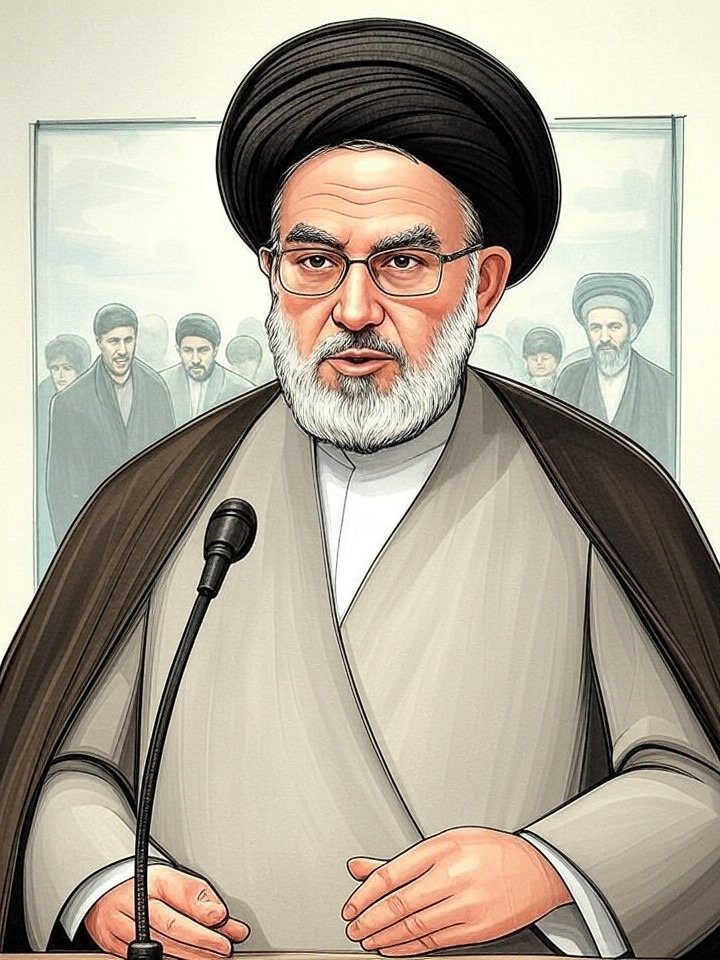
• The unrest is characterized as foreign-instigated riots. Authorities have accused the United States and Israel of instigating the instability, although the article notes that no evidence was provided for these claims. Supreme Leader Ayatollah Ali Khamenei blamed the U.S. president for the damages and casualties, instructing officials to "break the back" of the movement.
• Officials are offering conditional leniency alongside strict punitive measures. Police Chief Ahmad-Reza Radan announced that "deceived" young people would receive leniency if they surrendered within three days. Concurrently, the Attorney General stated that authorities are moving to seize the property of those designated as "terrorists."
• State figures report significantly lower arrest numbers than outside groups. Security officials claim the number of arrests is approximately 3,000, which is far lower than estimates from activist organizations. To manage the situation, the government has maintained a heavy security presence and enforced a near-total internet shutdown.
How it may affect me
As a U.S. reader: You may observe increased diplomatic tensions as Iranian leaders explicitly blame the U.S. President and Israel for instigating the unrest and resulting casualties.
You will likely face challenges verifying news from the region due to a reported near-total internet shutdown and conflicting casualty figures from state and independent sources.
You may encounter increased reporting from U.S.-based human rights groups, which are currently providing data on mass arrests and fatalities that contradicts Iranian state claims.