
• Rapid growth in billionaire wealth alongside stalled poverty reduction According to a new report titled "Resisting the Rule of the Rich," global billionaire wealth surged by 16% over the last year, reaching a record $18.3 trillion. The charity releasing the data noted that while the fortunes of the ultra-wealthy have grown by 81% since 2020, efforts to reduce poverty have simultaneously stalled.
• Concerns regarding the political influence of the ultra-wealthy Amitabh Behar, the executive director of the organization behind the report, argued that widening inequality has created a "dangerous and unsustainable" political deficit. The group contends that the ultra-wealthy possess "outsized" political influence and have been permitted to dominate media landscapes, necessitating stronger safeguards between wealth and politics.
• Links between economic distress, aid cuts, and global instability The report alleged that wealthy nations are accelerating cuts to foreign aid, projecting that these reductions could result in millions of additional deaths by 2030. Furthermore, the charity linked economic distress to political instability, citing over 140 anti-government protests globally in the past year, including a specific claim that more than 2,500 people were killed recently during economic protests in Iran.
How it may affect me
As a U.S. reader:
Oxfam's call for governments to tax the super-rich could influence domestic policy debates regarding wealth taxation and the regulation of political influence held by the ultra-wealthy.
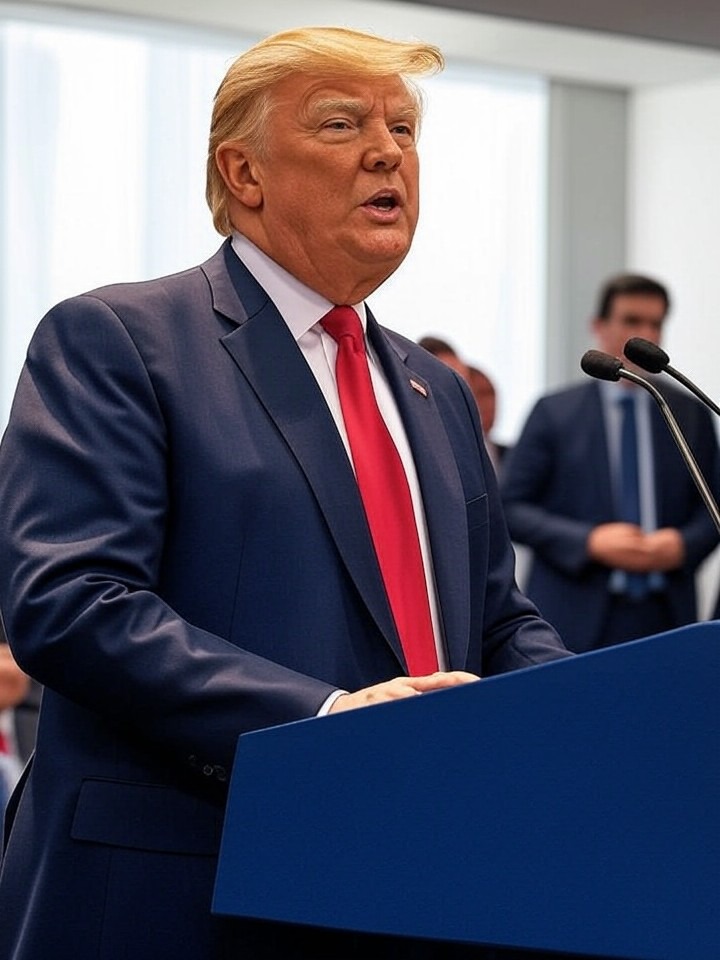
With the U.S. President participating in discussions on artificial intelligence and climate change, the summit may shape future federal regulations and international cooperation strategies affecting American industries.
Reports that wealthy nations are accelerating cuts to foreign aid suggest potential shifts in U.S. international spending, which critics warn could impact global stability and mortality rates.
Rising global anti-government protests linked to economic distress may prompt U.S. leaders to adjust foreign policy and security measures to address international instability.