
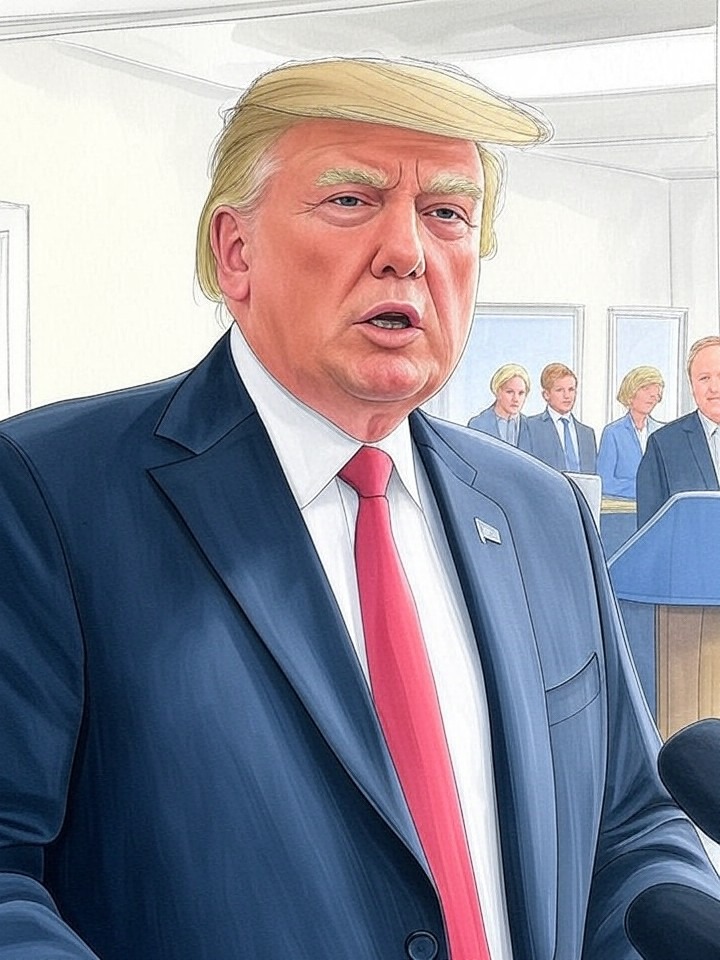
• Successful extraction with reported zero casualties President Trump stated that the military operation at Fort Tiuna, which resulted in the extraction of former President Nicolás Maduro, resulted in no casualties. Following the operation, Maduro and his wife were transported to New York to face federal charges regarding narco-terrorism and cocaine importation conspiracy.
• Endorsement of the interim presidency The White House has engaged directly with Delcy Rodríguez following her swearing-in as Venezuela’s interim president. President Trump has publicly supported this transition, describing Rodríguez as a "terrific person" as the administration moves forward with diplomatic cooperation.
• Strategic management of governance and resources Secretary of State Marco Rubio and the President have indicated that the U.S. intends to manage Venezuela and its oil proceeds for an extended period before elections are held. Additionally, the administration’s military approach remains in place after a bipartisan Senate effort to pass a war powers resolution limiting the intervention failed.
How it may affect me
As a U.S. reader: The U.S. government's intention to manage Venezuelan oil proceeds and seize tankers may impact domestic energy markets and fuel prices for American consumers.
Taxpayer resources will likely fund a prolonged naval blockade and governance oversight in Venezuela after the Senate failed to pass a resolution limiting military involvement.
Federal courts in New York will oversee significant legal proceedings as former President Maduro faces prosecution for alleged narco-terrorism and cocaine importation conspiracy.