
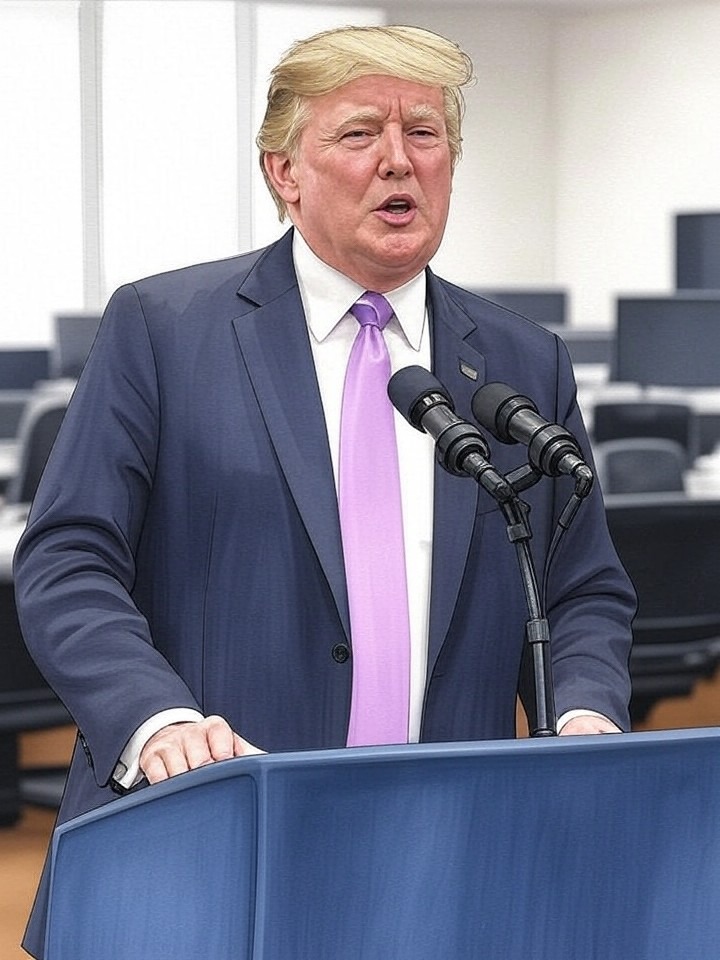
• Enforcement measures are viewed as constitutional and necessary Administration officials maintain that current federal operations are required to uphold the law. Department of Homeland Security Secretary Kristi Noem has explicitly defended the presence and actions of federal agents amidst the ongoing unrest.
• Deployment plans target "professional agitators" and violent unrest President Trump has threatened to invoke the Insurrection Act to address individuals he characterizes as "insurrectionists" and "professional agitators." Following this stance, DHS Assistant Secretary Tricia McLaughlin emphasized that "rioting" is not conduct protected by the First Amendment.
• Non-lethal munitions remain a tool for officer safety Despite judicial restrictions, Border Patrol commander Gregory Bovino stated that agents would continue to utilize tear gas against violent demonstrators to ensure safety. Officials argue that these tactical measures are essential when facing aggression during protests.
How it may affect me
As a U.S. reader: Residents in Minnesota may see a significant increase in military presence if the 1,500 active-duty soldiers currently on standby are deployed alongside the already mobilized state National Guard.
Individuals participating in protests face uncertainty regarding use-of-force tactics, as federal agents intend to use tear gas on violent demonstrators despite a judicial order restricting its use.
Taxpayers may fund prolonged legal conflicts as Minnesota sues the Department of Homeland Security while the Department of Justice investigates both the state governor and Minneapolis mayor.
Citizens detained by federal agents in Minnesota are currently subject to specific judicial protections requiring probable cause, though administration officials maintain rigorous enforcement is necessary for order.