
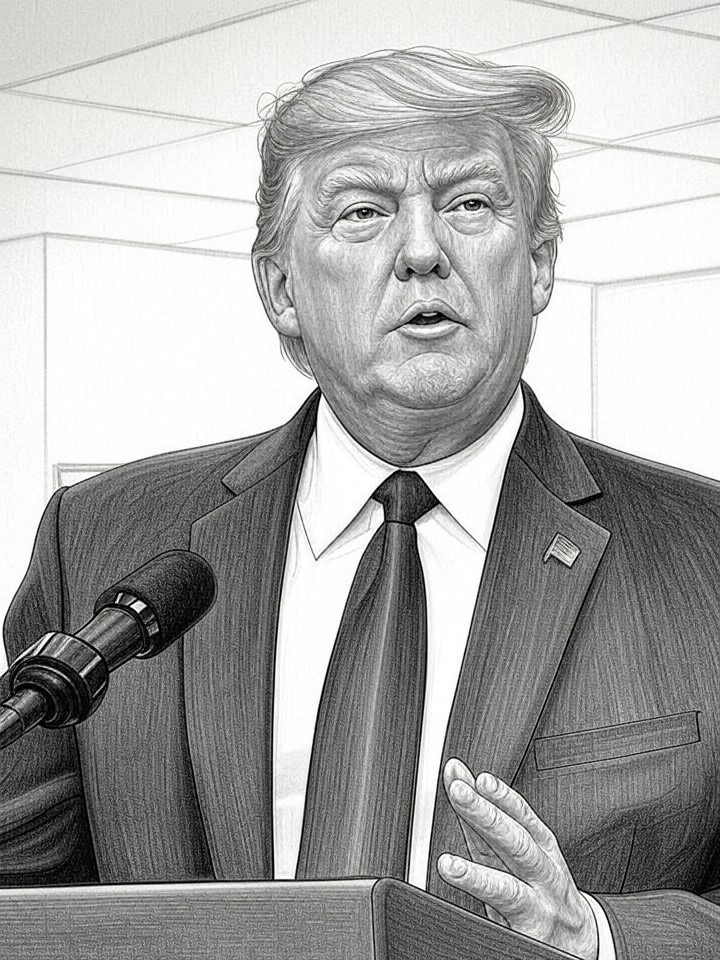
• Tariffs address military deployments The President asserted on social media that the deployment of European military forces to Greenland created a "dangerous situation." The administration stated that the new tariffs on eight European nations are a direct response to these specific troop movements.
• Greenland vital for national security President Trump argued that controlling the island is essential for U.S. national security interests. This position is based on the territory's strategic location within the Arctic region as well as its natural resources.
• Economic pressure linked to acquisition The administration indicated that the tariffs, which are scheduled to increase from 10% to 25%, will remain in effect until a deal is reached for the U.S. to purchase Greenland. The President explicitly connected these economic measures to his stated desire to acquire the self-governing territory.
How it may affect me
As a U.S. reader:
• Consumers may face increased costs for goods imported from the United Kingdom, France, Germany, and five other nations when tariffs take effect in February and escalate in June.
• You may witness a legislative battle in Washington as a bipartisan congressional delegation and Senate leaders attempt to pass laws blocking the administration's new economic policies.
• Relations with traditional allies may strain, potentially affecting security cooperation, although the administration asserts these actions are necessary to secure vital Arctic resources and strategic positioning.