
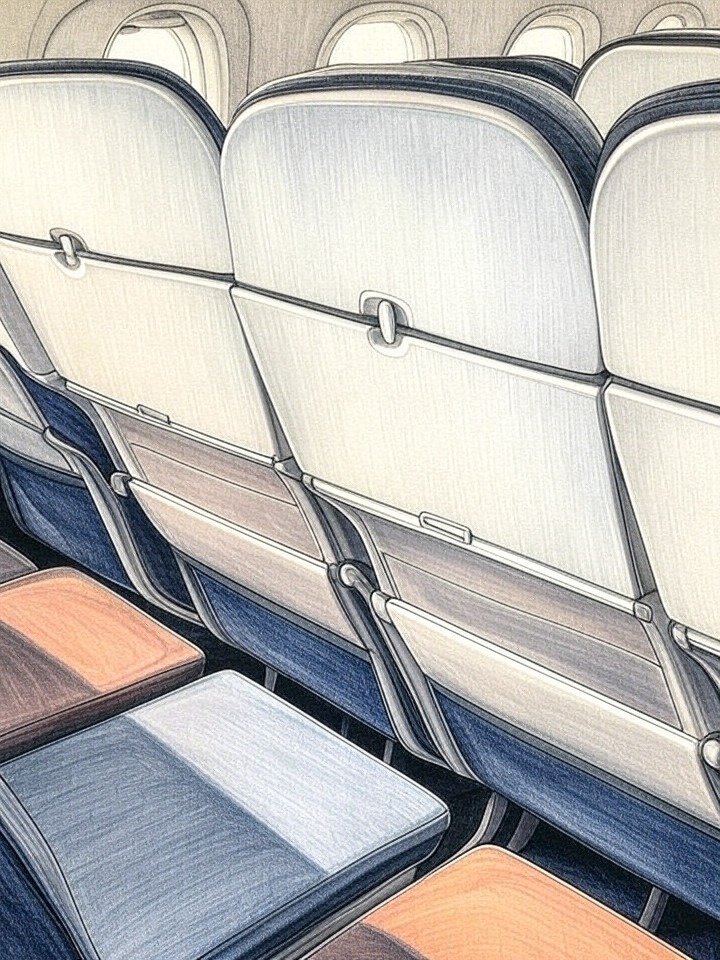
• Intent to maintain affordable fare options WestJet CEO Alexis von Hoensbroech explained that the airline initially adopted the denser seating configuration to offer fares that remain affordable for travelers. By adding an extra row to the aircraft, the carrier aimed to align its capacity strategies with economic models used to keep ticket prices competitive.
• Alignment with global carrier standards The airline noted that the attempted seat pitches are common among other global carriers and are considered standard practice within the industry, particularly for low-cost operations. Robert Sumwalt, a former National Transportation Safety Board chair, confirmed that high-density seating arrangements are typical for carriers operating within this market segment.
• Responsiveness to customer satisfaction Despite the strategic reasoning behind the increased density, management emphasized the necessity of reacting quickly when a product does not meet guest needs. Consequently, the airline chose to reverse the initiative and remove the extra row from affected aircraft to prioritize customer feedback over the planned capacity increase.
How it may affect me
As a U.S. reader:
Travelers utilizing this airline will experience increased legroom as economy cabins return to previous spacing standards, reversing the two-inch reduction implemented in October.
The reduction in capacity from 180 to 174 seats per aircraft may impact ticket availability or pricing strategies previously aimed at maintaining affordable fares through higher density.
You may see continued discussions on airline safety as experts noted that tighter seating arrangements standard among low-cost carriers could potentially complicate emergency evacuations.
This event demonstrates that public feedback and social media documentation of travel conditions can successfully influence airline operational decisions regarding cabin configuration and passenger comfort.