
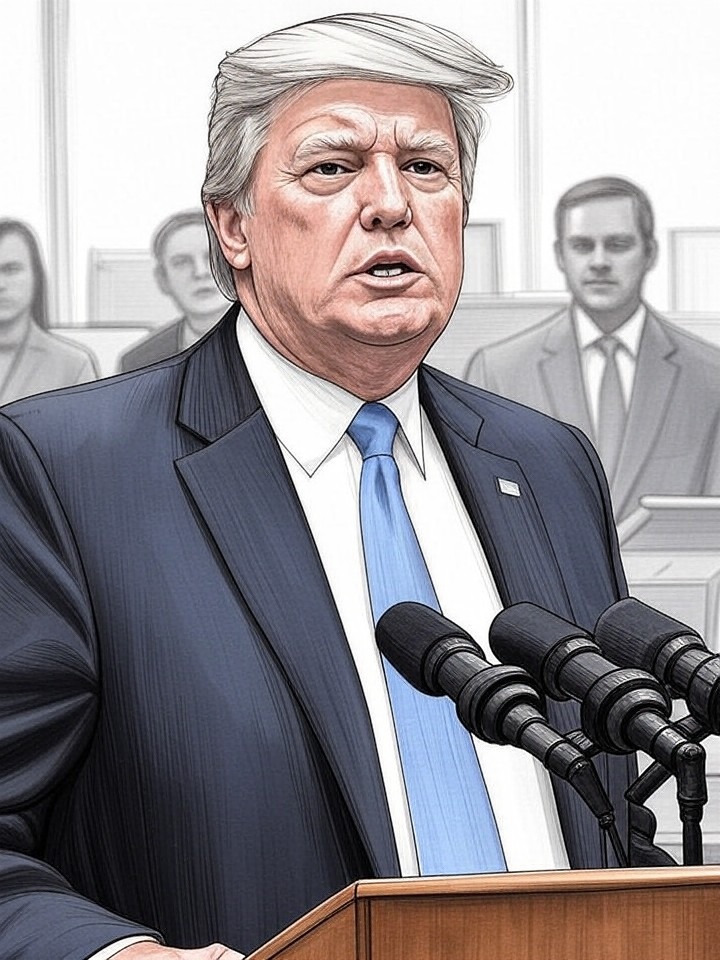
• Tariffs are being utilized to secure strategic national security interests. President Trump cited Greenland’s mineral reserves, strategic location, and importance to national security as the justification for seeking to acquire the territory. The administration announced that the 10% import tax on eight European nations will rise to 25% by June if a purchase deal is not reached.
• Officials characterize the European response as an overreaction to a trilateral issue. U.S. Ambassador to NATO Matthew Whitaker argued that the matter is primarily between the United States, Denmark, and Greenland, suggesting Europe has a tendency to overreact. He urged a calmer approach while emphasizing that the territory is critical to U.S. defense planning as the "northern flank," citing new maritime routes created by melting ice.
• The administration is pursuing multiple avenues, including a working group and potential force. Following meetings between U.S. and Danish officials, a working group was established to address the situation. While noting that recent meetings were constructive, the administration has not ruled out the use of military force to achieve its objectives regarding the territory.
How it may affect me
As a U.S. reader:
Consumers likely face price increases on imports from major trading partners like Germany, France, and the UK starting in February due to the new 10% tax.
Import costs could rise significantly by summer, as the administration plans to hike tariffs to 25% on June 1 if acquisition negotiations regarding Greenland fail.
National security dynamics may shift as tensions strain the NATO alliance, with Danish leadership warning of long-term consequences and France initiating new military exercises.
Potential military risks may escalate, as the administration has not ruled out using force and Denmark is increasing its military presence in Greenland in cooperation with allies.