
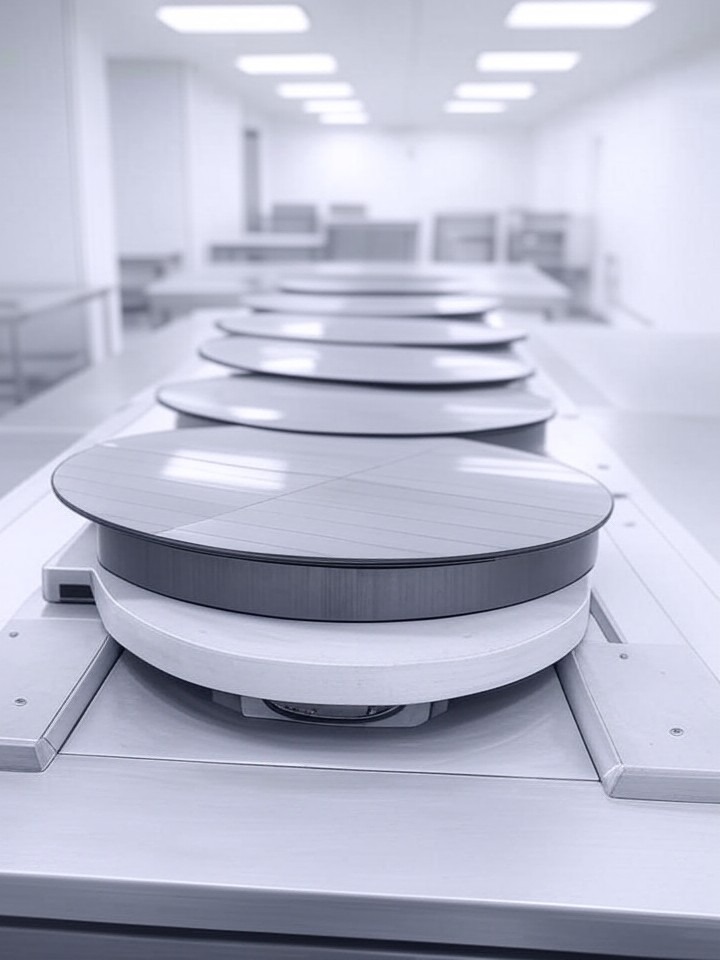
• Surge in market valuations driven by AI demand Shares of major semiconductor firms like ASML and Micron Technology rallied significantly following strong earnings from TSMC and signals of heavy capital expenditure on AI infrastructure. ASML reached a record valuation of approximately €450 billion, while analysts pointed to the need for advanced production tools to meet efficiency requirements as a key driver for the stock surge.
• Aggressive manufacturing build-out in the U.S. Micron Technology has broken ground on a new facility in New York, a project highlighted by the attendance of U.S. Commerce Secretary Howard Lutnick. CEO Sanjay Mehrotra described the facility as part of a broader $200 billion initiative designed to increase manufacturing capacity within the United States to meet accelerating demand.
• Policy incentives for high-level investment The sector has received support from new U.S. policy announcements intended to encourage substantial foreign investment. These policies specifically limit tariffs on Taiwanese technology companies, provided they meet a threshold of investing at least $250 billion in American production capacity.
How it may affect me
As a U.S. reader: Consumers should anticipate higher prices for electronics in early 2026, as memory chip costs are forecast to rise 40% to 55% amid ongoing component shortages.
You may face limited availability of certain technology products through 2027, as executives warn that supply tightness caused by accelerating AI demand is expected to persist.
Local economies in New York could see increased activity as Micron breaks ground on a new facility, part of a broader $200 billion plan to expand U.S. manufacturing.
Investment portfolios exposed to the technology sector may benefit from rising valuations, as semiconductor companies report strong earnings driven by heavy spending on artificial intelligence infrastructure.
The domestic market may see increased foreign investment following new policies that limit tariffs on Taiwanese tech firms committing at least $250 billion to American production capacity.