
• The new trade agreement aims to significantly shift semiconductor supply chains to the United States. U.S. Commerce Secretary Howard Lutnick stated that the specific goal of the deal is to migrate 40% of Taiwan's semiconductor supply chain to American soil. As part of this arrangement, Taiwanese firms have committed to making $250 billion in direct investments within the U.S.
• Tariff reductions serve as a key incentive within the economic framework. Under the terms of the newly signed agreement, U.S. tariffs on Taiwanese goods are now capped at 15%. This adjustment represents a reduction from the previous rate of 20%, facilitating easier trade between the two economies.
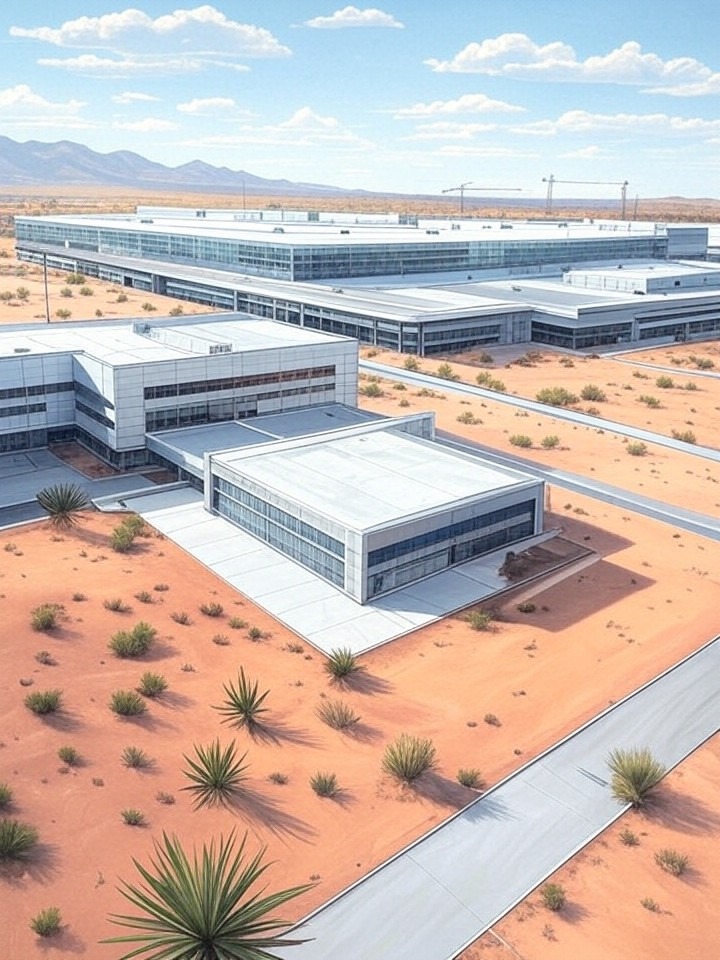
• TSMC’s physical expansion in Arizona supports the creation of domestic manufacturing clusters. The company has purchased additional land to support a planned "gigafab cluster" and has already commenced mass production at its first Arizona fabrication plant. Furthermore, permitting has begun for a fourth facility, and construction is accelerating on a third, aligning with the push for increased U.S. production capacity.
How it may affect me
As a U.S. reader: The development of a gigafab cluster and multiple new plants in Arizona signals a long-term increase in industrial construction and manufacturing operations within the state.
Reduced tariffs on Taiwanese imports and a commitment of $250 billion in investments may lower costs and increase resource availability for American industries relying on foreign goods.
Efforts to migrate 40% of the semiconductor supply chain to the U.S. aim to improve domestic access to chips, though the most advanced technology will remain abroad.
Those with financial portfolios may see impacts in the artificial intelligence sector, as TSMC's expansion and profits have renewed investor confidence in this market.