
• Economic targeting of Iranian leadership and financial networks Treasury Secretary Scott Bessent announced sanctions against figures such as Ali Larijani and IRGC commanders, while also targeting a "shadow banking network." The administration alleges that senior Iranian leadership is using these networks to launder oil revenue and move millions of dollars out of the country during a period of financial instability.
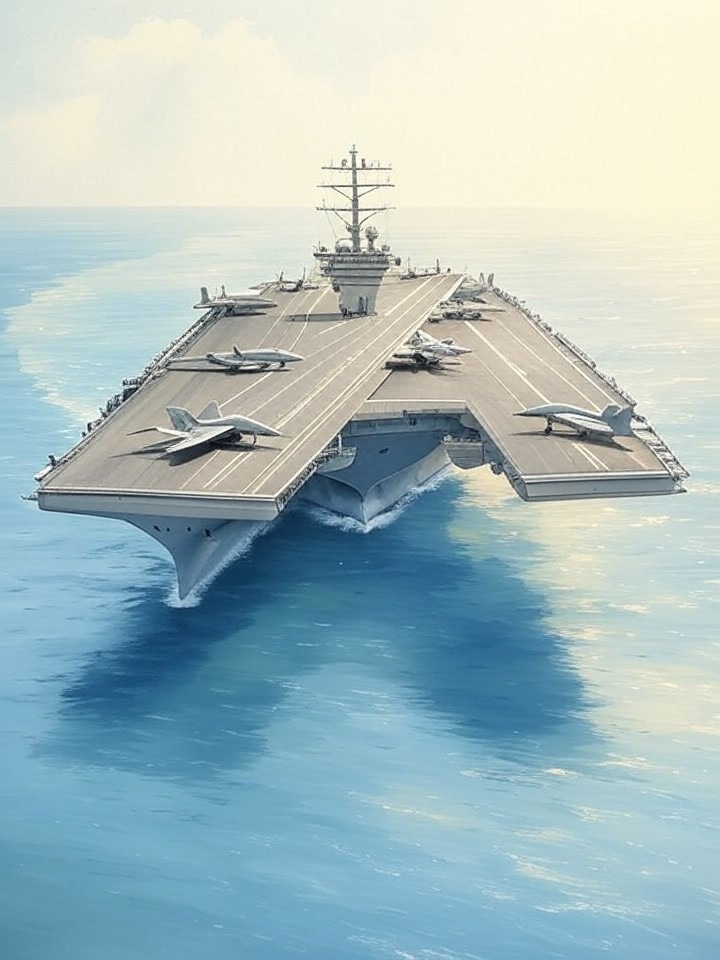
• Military positioning and readiness for escalation White House Press Secretary Karoline Leavitt stated that President Trump is monitoring the situation with "all options on the table." To support this posture, the U.S. is repositioning military assets, including an aircraft carrier, toward the Middle East and has withdrawn some personnel and equipment from Qatar as a precautionary measure.
• Response to reported human rights abuses The new measures are a direct response to the Iranian government’s crackdown on nationwide protests, which have now entered their third week. Citing reports from dissident groups and human rights organizations regarding mass arrests and thousands of casualties, the administration aims to penalize the security forces and officials responsible for the unrest.
How it may affect me
As a U.S. reader:
• U.S. citizens currently in Qatar and Saudi Arabia face official warnings to avoid military bases as embassies issue alerts regarding potential threats and regional tensions.
• Military families may see changes in deployment schedules as the U.S. repositions assets, including an aircraft carrier, toward the Middle East in preparation for potential escalation.
• The risk of U.S. forces entering a direct conflict has increased, with the White House keeping "all options on the table" while Iranian officials threaten retaliation if attacked.
• National foreign policy has intensified to strictly penalize international financial networks, specifically targeting shadow banking systems accused of laundering oil revenue.