
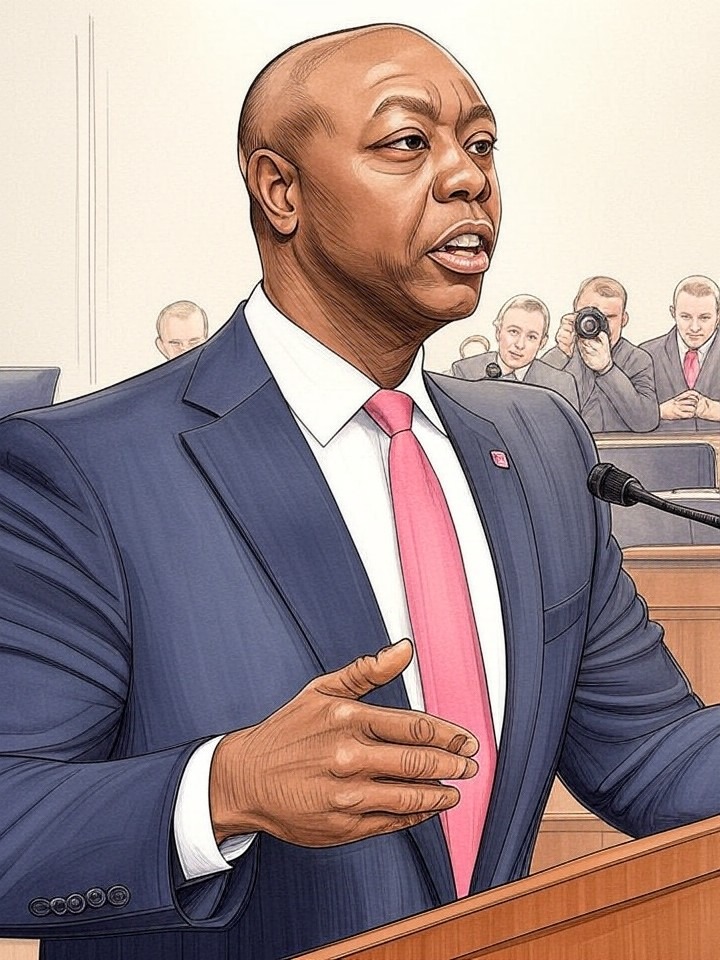
Illustration for: Senate Banking Committee Postpones Cryptocurrency Vote Amid Industry and Legislative Opposition
AI-generated illustration. Visual interpretation does not represent real individuals or scenes.

Senate Banking Committee Postpones Cryptocurrency Vote Amid Industry and Legislative Opposition

2026-01-15

The BareStory

Senate Banking Chair Tim Scott has postponed a planned committee vote on cryptocurrency legislation originally scheduled for Thursday. The decision to delay the markup was made Wednesday amid ongoing negotiations and opposition from both industry executives and lawmakers regarding the bill’s current structure.

The delay followed public criticism from Coinbase CEO Brian Armstrong, who argued that the legislation as written would be "materially worse than the status quo." Armstrong expressed concern that the bill would erode the authority of the Commodity Futures Trading Commission in favor of the Securities and Exchange Commission. He also cited potential amendments banning rewards on stablecoins as a significant issue. Senator Cynthia Lummis, claiming the industry response proved they were "not ready for the legislation," expressed disappointment but committed to further work on the proposal. Senator Scott stated that all parties remain at the table and that the bill reflects months of bipartisan effort.

A central point of contention involves the treatment of stablecoin rewards programs. The banking lobby has reportedly pushed to ban such programs, arguing they risk sparking deposit flight from traditional institutions. Lawmakers, including Senators Thom Tillis and Angela Alsobrooks, were reportedly preparing amendments to address these banking concerns prior to the postponement.

From a different perspective, Senator Richard Blumenthal, ranking member of the Senate’s Permanent Subcommittee on Investigations, strongly criticized the push to integrate crypto firms into the banking system. Citing a report on the 2023 collapses of Silicon Valley Bank and Signature Bank, Blumenthal argued that the "opacity" of crypto markets increases systemic risk. He claimed that since the passage of the GENIUS Act last summer, multiple stablecoins have de-pegged, causing significant losses. Blumenthal warned that without adequate safeguards, increased crypto integration could lead to future taxpayer-funded bailouts.

Left Perspective

  • The proposed legislation is viewed by some as worse than the current regulatory environment.
  • Specific prohibitions on stablecoin rewards are a major point of opposition.
  • Continued negotiation is required to produce a viable bipartisan framework.

Right Perspective

  • Integrating cryptocurrency firms into the banking system poses systemic risks.
  • Stablecoin rewards programs could threaten the liquidity of traditional banks.
  • Inadequate safeguards could result in financial losses and taxpayer liability.

How it may affect me

As a U.S. reader:

You will continue operating under the current regulatory status quo for the immediate future, as the Senate has paused the legislative vote to address disputes over oversight and stablecoin rules.

Your ability to earn yields on stablecoins could be restricted in future bills, as banking lobbyists argue these rewards might prompt consumers to withdraw deposits from traditional banks.

Policymakers warn that integrating crypto with traditional banking without adequate safeguards could expose the financial system to instability and potentially require taxpayer-funded bailouts.

Read the story at