
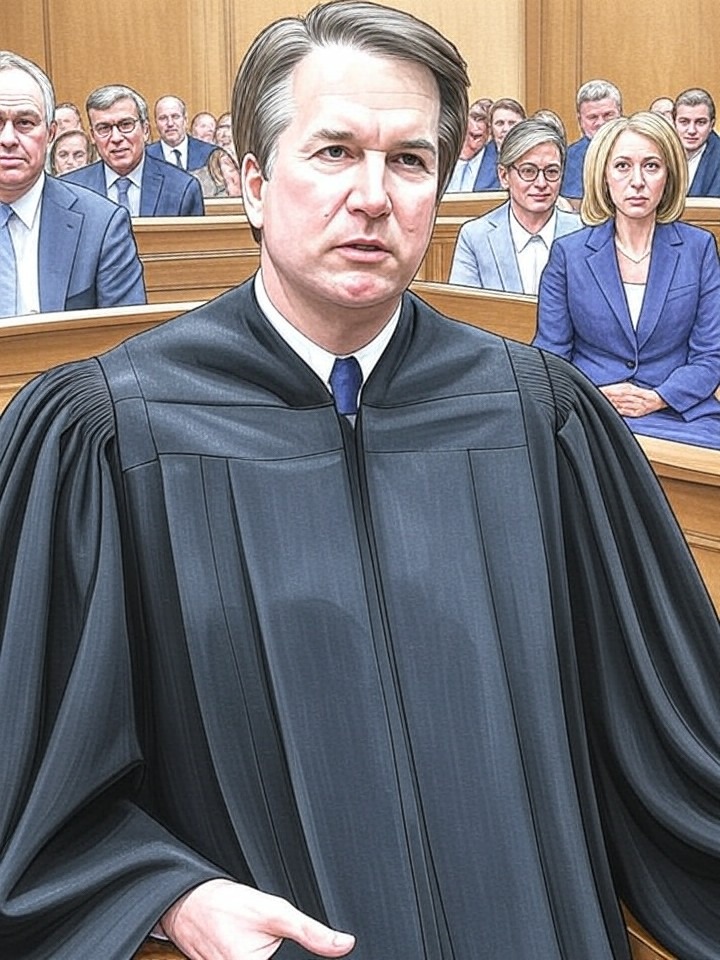
Illustration for: Supreme Court hears arguments on state transgender athlete bans
AI-generated illustration. Visual interpretation does not represent real individuals or scenes.

Supreme Court hears arguments on state transgender athlete bans

2026-01-14

The BareStory

The Supreme Court heard oral arguments on Tuesday regarding laws in Idaho and West Virginia that prohibit transgender women and girls from competing on female sports teams at public schools and colleges. The justices appeared likely to uphold the state bans, which require athletic teams to be designated based on biological sex at birth. A decision, expected by late June or early July, could impact enforcement of similar legislation in approximately 27 states.

During more than three hours of proceedings, the court’s conservative majority questioned whether the judiciary should impose a national rule on the issue. Justice Brett Kavanaugh suggested that allowing transgender athletes to compete on female teams could threaten the success of women’s sports and expressed skepticism about constitutionalizing a single standard for the country. Chief Justice John Roberts questioned whether previous rulings regarding workplace discrimination applied to the distinct context of athletics. Justice Samuel Alito pressed attorneys opposing the bans to define "man" and "woman" in the context of sex discrimination.

Attorneys for the plaintiffs, Lindsay Hecox of Idaho and Becky Pepper-Jackson of West Virginia, argued that the bans violate the Constitution's equal protection guarantee and Title IX, a federal law prohibiting sex discrimination in education. Justice Ketanji Brown Jackson suggested states could create exceptions for transgender individuals who can demonstrate they do not possess an unfair athletic advantage. Conversely, the Trump administration and state officials argued that physiological differences between sexes are not eliminated by medical treatments, asserting that the laws are necessary to ensure fair and safe competition for women.

West Virginia officials claimed that Pepper-Jackson’s participation in the Spring 2025 season displaced at least 400 female athletes in track-and-field standings, though her lawyers stated she has no athletic advantage. In the Idaho case, a procedural dispute emerged regarding mootness; while Hecox’s legal team sought to dismiss the case citing her potential graduation, Idaho officials argued she was unlikely to graduate by May 2026. Outside the courthouse, demonstrators from opposing sides gathered as the hearings took place.

Left Perspective

  • Laws violate federal protections against discrimination
  • Possibility of exceptions based on athletic advantage
  • Procedural arguments regarding case mootness

Right Perspective

  • Necessity of maintaining fair and safe competition
  • Impact on female athletes and standings
  • Skepticism toward imposing a national judicial standard

How it may affect me

As a U.S. reader:

• A ruling expected by late June or July will determine the enforceability of laws in approximately 27 states requiring public school and college teams to be designated by biological sex.

• If bans are upheld, female athletes in these jurisdictions would compete solely against biological females, which state officials argue prevents displacement in standings and ensures physical safety.

• The outcome will establish whether Title IX protections extend to transgender athletes in sports or if the judiciary permits distinct standards for athletics due to physiological differences.

Read the story at