
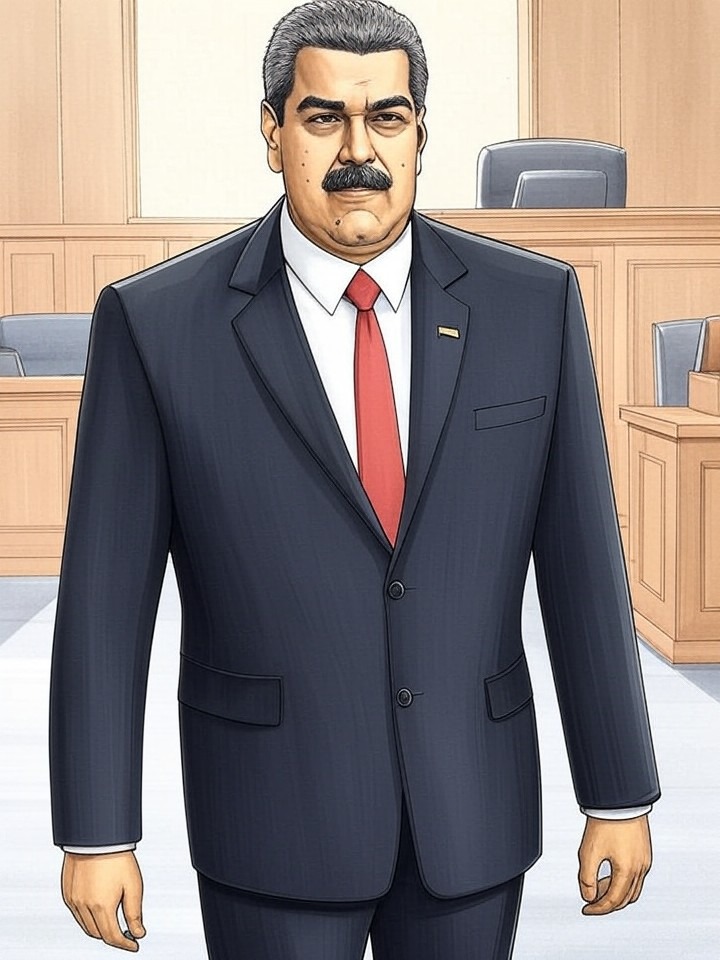
• Requirement for congressional authorization The Senate has moved to assert its constitutional authority by advancing a War Powers resolution specifically designed to prohibit the deployment of U.S. forces in Venezuela without prior approval. This legislative action serves as a direct check on executive power following the detention of the Venezuelan President.
• Concerns regarding indefinite conflict Senate Minority Leader Chuck Schumer and other critics have issued warnings that the administration's actions in Venezuela could precipitate another "endless war." These voices express apprehension that the operation, regardless of its initial framing, carries the risk of drawing the United States into a prolonged military engagement.
• Challenges to federal agency operations Beyond foreign policy, the administration faces pushback on domestic and institutional fronts, including a lawsuit filed by the State of Minnesota against the Department of Homeland Security and reports of House Democrats considering budgetary restrictions on ICE. Additionally, lawmakers have issued warnings regarding the independence of the central bank following reports of a Department of Justice investigation into the Federal Reserve Chair.
How it may affect me
As a U.S. reader:
• You might see lower fuel prices in the future if the administration proceeds with announced plans to utilize Venezuelan oil reserves to reduce costs for consumers.
• New military deployments could occur as the President reviews options for Iran and Venezuela, though the Senate is advancing legislation to require congressional approval for such actions.
• Residents in the Minneapolis area may encounter an increased presence of federal agents and ongoing protests following a fatal shooting by an ICE agent.
• Domestic economic policy could become volatile as the Department of Justice investigates the Federal Reserve Chair, raising lawmaker concerns regarding the central bank's independence.