
• Reports indicate a significant loss of civilian life and severe security measures during the crackdown. The Human Rights Activists News Agency (HRANA) stated it has verified 2,571 deaths, while other unverified sources suggest the toll could range from 12,000 to 20,000. Additionally, monitoring groups report that the government has imposed an internet blackout exceeding 132 hours as the protests evolved into an explicit anti-government movement.
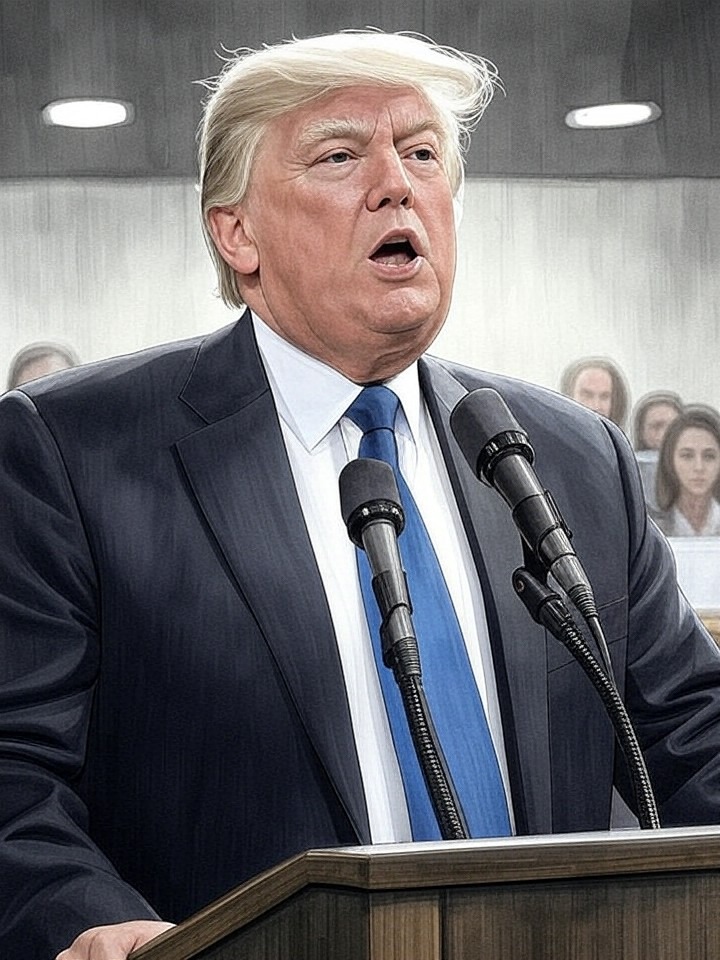
• President Trump has threatened severe consequences if the Iranian government executes protesters. Following comments from Iran's judiciary head regarding expedited trials and potential executions, Trump warned the U.S. would take "very strong action" if hangings occur. The President admitted he does not yet have an accurate death count but emphasized the seriousness of reports regarding the treatment of those arrested.
• The U.S. is implementing economic penalties and considering further sanctions to pressure Iran. President Trump announced a 25% tariff on any country conducting business with Iran and stated he has canceled all meetings with Iranian officials until the violence ceases. The administration is also reportedly weighing new sanctions targeting the nation's energy and banking sectors, while the State Department has advised Americans to leave the country.
How it may affect me
As a U.S. reader:
• Consumers and businesses may face economic ripple effects after the President announced a 25% tariff on any nation continuing to conduct business with Iran.
• If you or family members are currently in Iran, you are advised to leave immediately as the State Department warns of increasing danger amid the crackdown.
• Security risks for U.S. personnel or assets abroad may increase, as Iranian officials have threatened retaliatory strikes against U.S. targets in the event of foreign intervention.
• Global energy or financial markets could see fluctuations as the administration considers implementing new sanctions targeting Iran's energy and banking sectors.