
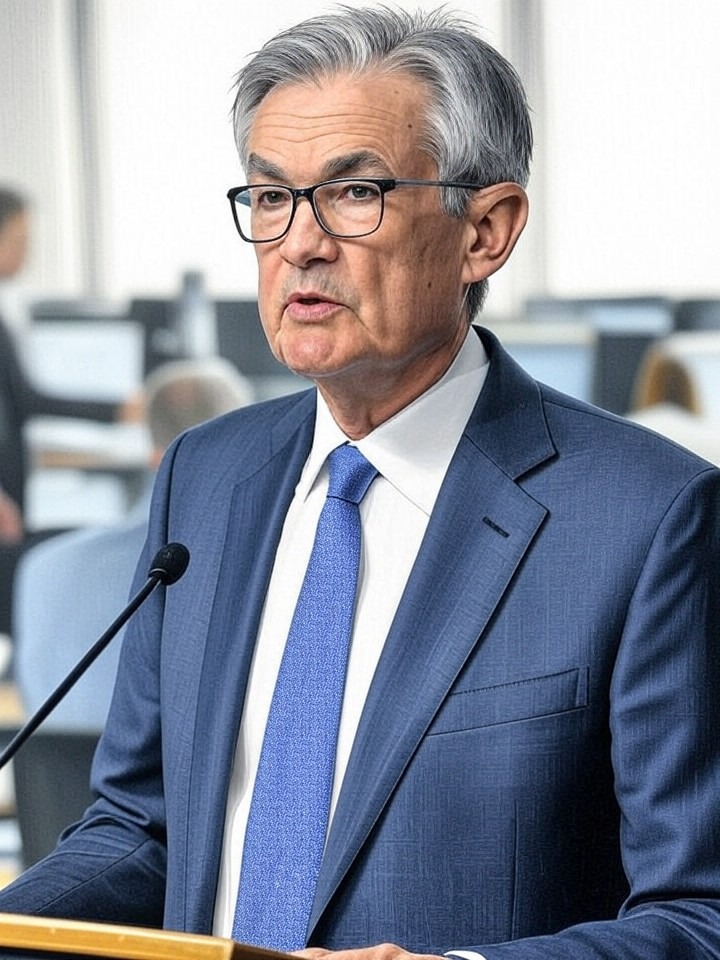
• Investigation centers on alleged false testimony regarding renovation costs The Department of Justice has opened a criminal probe into the Federal Reserve Chair, reportedly focusing on allegations that he provided false testimony concerning cost overruns for a renovation of the central bank's headquarters. A spokesperson for Attorney General Pam Bondi stated that U.S. Attorneys have been instructed to prioritize the investigation of abuse involving taxpayer dollars.
• Significant price surges persist in specific food and energy sectors Despite the headline inflation figure remaining steady, specific categories continue to see steep cost increases, with coffee and beef prices rising nearly 20% and 16% respectively. Households are also facing higher energy costs, as the data indicates that utility gas services rose 11% on an annual basis.
• Tariffs cited as a contributing factor to ongoing price pressures Economist Mark Zandi suggested that tariffs implemented by the Trump administration have contributed to current price pressures in the economy. While the White House denied Presidential involvement in the probe against the Fed Chair, these trade policies remain a point of discussion regarding their impact on consumer costs.
How it may affect me
As a U.S. reader: You will likely encounter mixed costs at the store, paying about 20% less for eggs but significantly more for beef, coffee, and utility gas services.
Your borrowing costs for loans and credit are expected to hold steady, as the Federal Reserve is unlikely to cut interest rates further this month.
Retail prices for some goods may remain stable for now, as reports indicate businesses are currently absorbing tariff costs rather than passing them fully to shoppers.
The criminal probe into the Federal Reserve Chair could affect future economic strategy, as the investigation raises concerns about potential political influence on monetary policy.