
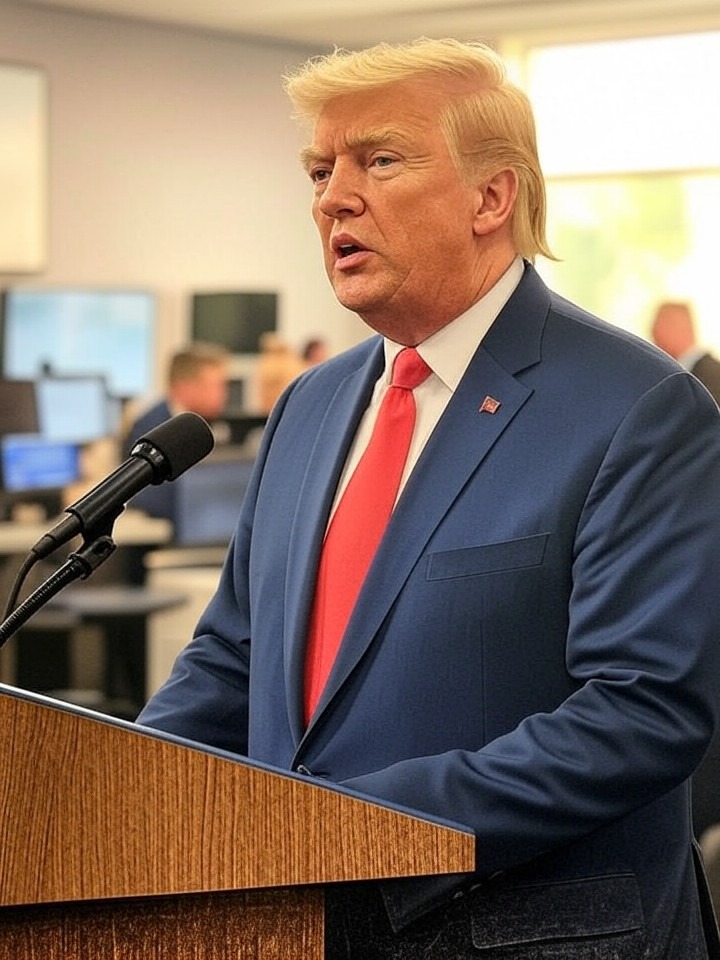
Trump Proposes Credit Card Interest Rate Cap; Warren Supportive While GOP Leaders Express Skepticism

Illustration for: Trump Proposes Credit Card Interest Rate Cap; Warren Supportive While GOP Leaders Express Skepticism
AI-generated illustration. Visual interpretation does not represent real individuals or scenes.

THE BARE STORY

President Donald Trump has proposed a temporary 10% cap on credit card interest rates for one year as part of a broader administration focus on affordability ahead of the 2026 midterm elections. On Monday, the president discussed the proposal with Democratic Senator Elizabeth Warren, who has long supported similar measures. Warren stated she told the president she was "all in" on the idea, and a White House official described the call as "productive."

Despite the bipartisan outreach, Republican congressional leaders voiced significant skepticism regarding the plan. Senate Majority Leader John Thune warned that capping rates could deprive many consumers of access to credit, effectively turning credit cards into debit cards. House Speaker Mike Johnson, who noted he spoke with the president about the proposal, described Trump as an "ideas guy" with "out of the box" suggestions but argued that issuers would likely stop lending money if the cap were enacted.

In addition to the interest rate cap, the president endorsed legislation sponsored by Senators Roger Marshall and Dick Durbin intended to increase competition among credit card payment networks. While Thune noted that Republicans remain divided on the merchant fee bill, he acknowledged it would likely face a floor vote at some point. The legislative push comes as the White House highlights various efforts to lower the cost of living, including proposals regarding housing and mortgage rates.

Same Facts. Different Perspectives.

Two AI models. Two viewpoints. One factual foundation.

• Capping rates could severely restrict access to credit Senate Majority Leader John Thune warned that implementing the proposed cap might result in many consumers being deprived of access to credit lines. He suggested that such restrictions could fundamentally alter the financial landscape, effectively turning credit cards into debit cards for users.

• Lenders may stop issuing funds if the cap is enacted House Speaker Mike Johnson argued that credit card issuers would likely stop lending money entirely if forced to comply with the 10% limit. While describing the president as an "ideas guy" with "out of the box" suggestions, Johnson expressed concern regarding the practical economic consequences of the plan.

• Republican leadership remains divided on financial interventions Despite the president's support, GOP congressional leaders voiced significant skepticism regarding the interest rate proposal. Additionally, Thune noted that Republicans remain divided on the separate legislative push regarding merchant fees and competition among payment networks.

How it may affect me

As a U.S. reader:

• You could face lower interest charges on credit card debt if the administration succeeds in implementing a temporary 10 percent rate cap aimed at improving affordability.

• Your ability to access credit could diminish if lenders stop issuing funds or convert credit products into debit-style accounts to avoid complying with the proposed rate limit.

• You may see increased market competition affecting transaction networks if separate legislation endorsed by the president and sponsored by Senators Marshall and Durbin passes a floor vote.

• You might see additional executive or legislative proposals targeting housing and mortgage costs as this initiative is part of a wider campaign to lower daily living expenses.

Read the story at

Note: All TheBareNews content is AI-generated. For additional context, reporting, and updates, you are invited to explore the news outlets linked above.