
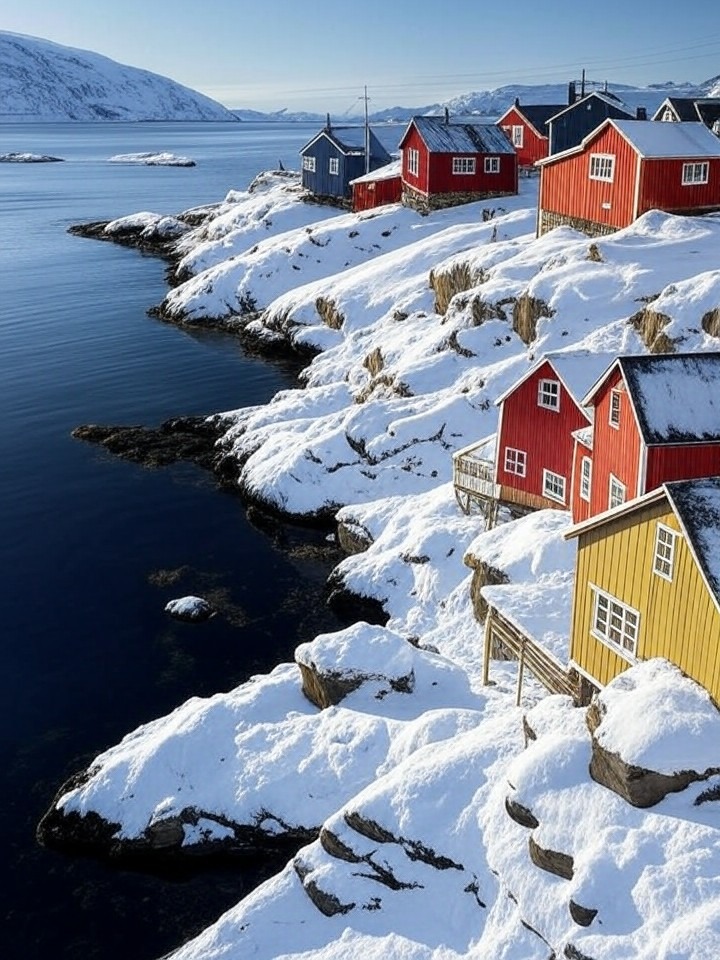
• Rejection of U.S. governance and affirmation of current ties Prime Minister Nielsen explicitly stated that Greenland "chooses Denmark" if forced to decide, emphasizing that the territory does not wish to be governed by the U.S. He affirmed Greenland’s ongoing commitment to the Danish realm, as well as its ties to NATO and the European Union.
• Criticism of diplomatic pressure regarding sovereignty Danish Prime Minister Frederiksen characterized the current situation as "unacceptable pressure" from a close ally, while warning that the most difficult phase of the dispute might still be ahead. Both Nielsen and Frederiksen presented a united front to reiterate that the semi-autonomous territory is not for sale.
• Opposition to unilateral action against allies U.S. legislators have voiced opposition to potential unilateral action, with a bipartisan group introducing legislation to prevent military measures against NATO allies. Various Senators have criticized the prospect of a forced takeover as disastrous.
How it may affect me
As a U.S. reader:
Continued diplomatic pressure on Denmark and Greenland may strain U.S. relationships with key NATO allies, potentially impacting international cooperation and alliance stability.
You may see new laws passed by Congress aimed at preventing unilateral military action against allies, as legislators move to block potential forced acquisition attempts.
National security officials argue that failure to acquire the territory could allow Russia or China to gain regional control, potentially altering security dynamics near the U.S.