
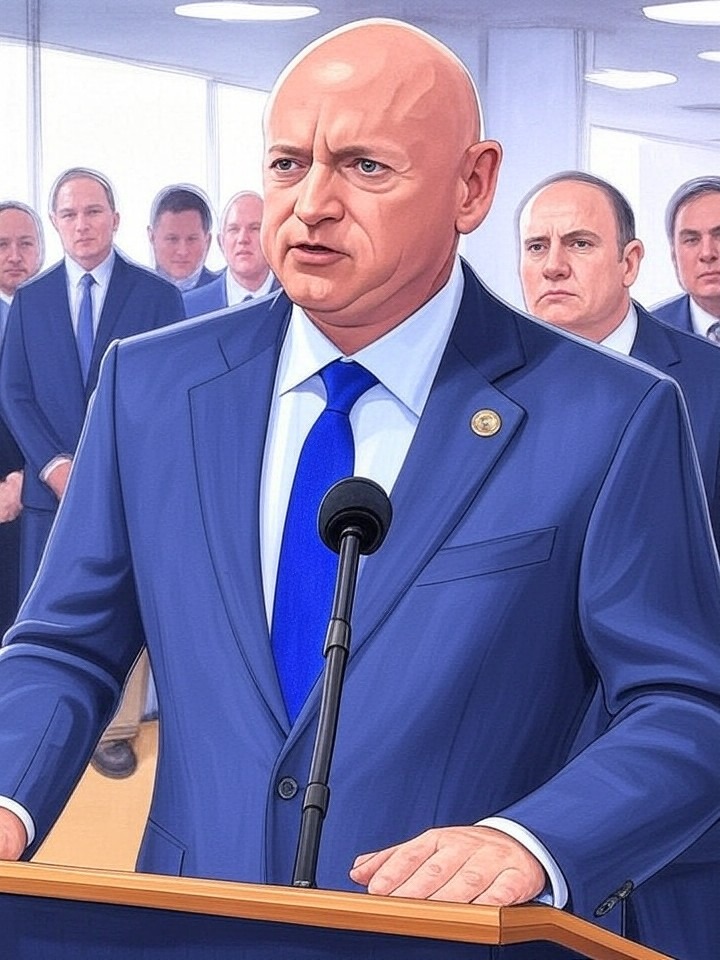
• Allegations of unconstitutional retaliation The lawsuit argues that the Pentagon's actions constitute retaliation for "disfavored political speech," violating the Senator's First Amendment and due process rights. Attorneys contend that the administrative moves to reduce his rank and pay are punitive measures targeting his expression of political views.
• Protection under the "speech or debate clause" Kelly's legal team asserts that his statements are protected by the Constitution’s "speech or debate clause," which is intended to shield lawmakers from executive branch pressure. The filing highlights that this is the first instance in U.S. history where the executive branch has attempted to impose military sanctions on a sitting member of Congress for their speech.
• Context regarding the duty to refuse orders The complaint stems from a video in which Kelly addressed troops regarding their duty to refuse illegal orders, a statement made amid questions about the legality of airstrikes on drug smuggling vessels. The filing notes that the video did not specify particular orders but addressed general legal obligations for service members and intelligence personnel.
How it may affect me
As a U.S. reader:
This legal battle may establish a significant precedent regarding the separation of powers, specifically determining if the executive branch can legally sanction sitting lawmakers for their political speech.
The outcome could clarify the extent of free speech protections for retired military personnel, establishing whether they remain subject to military discipline and the Uniform Code of Military Justice.
This dispute highlights tensions regarding military obedience, potentially influencing how service members interpret their legal obligations to refuse orders they perceive as illegal or unconstitutional.
The proceedings may draw increased public attention to the legality of recent U.S. military airstrikes targeting alleged drug smuggling vessels in the Caribbean.