
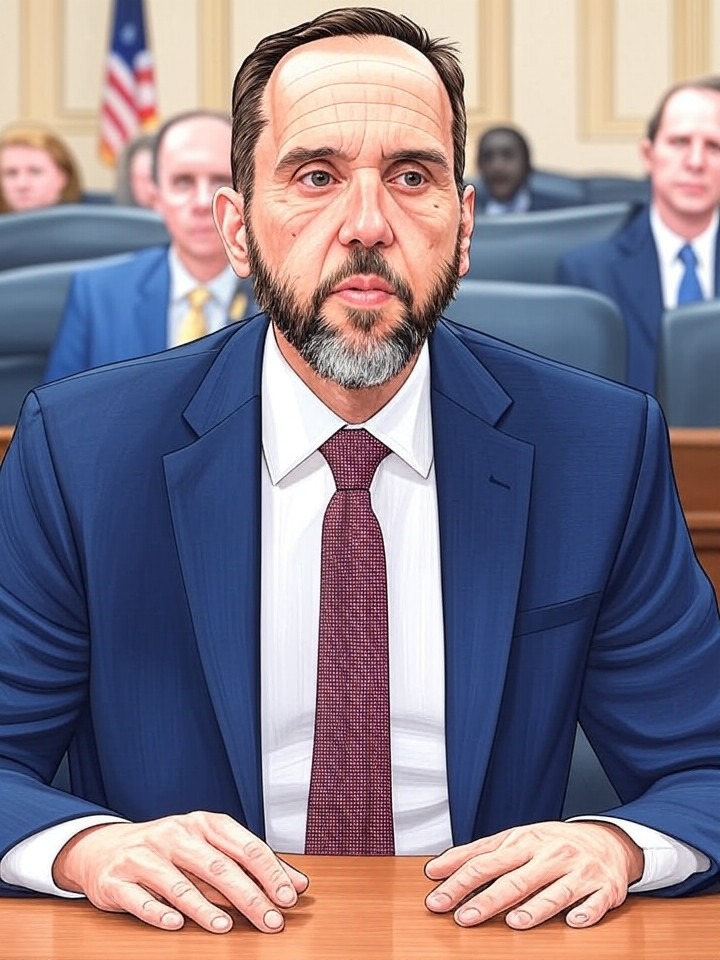
• Defense of investigative integrity The former special counsel used his private testimony to defend his investigative methods against criticism. According to transcripts, Smith explicitly denied that there was any political motivation behind the probes or that the Biden administration was involved.
• Assertion of strong evidence Smith maintained that his team possessed sufficient evidence to secure a conviction in the cases, which resulted in over 40 federal charges. He specifically described President Trump as the "most culpable" figure regarding the election interference investigation.
• Support for public transparency Smith's legal team noted that the former special counsel had previously requested to speak in a public forum rather than the private interview initially compelled by subpoena. Representative Jamie Raskin welcomed the upcoming public hearing, arguing that the majority's strategy to insist on a private deposition had "backfired."
How it may affect me
As a U.S. reader:
• You will have access to public testimony on January 22, 2026, providing a direct view of the evidence and arguments concerning the handling of classified documents and election interference.
• Ongoing scrutiny of how investigators obtained Congressional phone records may impact future regulations governing federal investigative tactics and data privacy boundaries for elected officials.
• The hearing allows you to evaluate specific evidence Smith claims to possess regarding election interference against Republican arguments that the prosecutions were politically motivated strategies.