
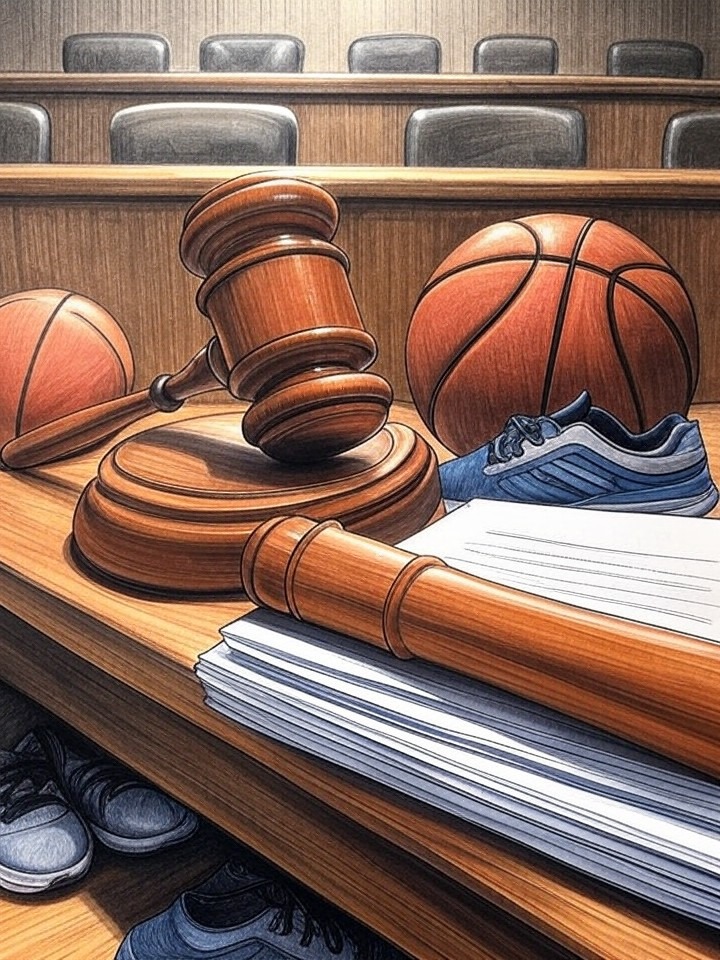
• Restrictions ensure safety and fairness Proponents of the state laws, including athletes such as Martina Navratilova and Riley Gaines, argue that these restrictions are essential to guarantee safe and fair competition. Idaho Attorney General Raul Labrador contended that the measures are necessary to preserve an "equal playing field" in girls’ and women’s sports.
• Biological sex viewed as immutable Activists such as Chloe Cole, a "detransitioner," urged the court to uphold the bans based on the belief that biological sex cannot be changed. Cole and other supporters argue that states have a responsibility to protect female athletes grounded in these biological distinctions.
• Allegations of harassment by plaintiff Attorneys with the Alliance Defending Freedom stated that former teammate Adaleia Cross swore under oath that she was sexually harassed by the minor plaintiff in the West Virginia case in a locker room. Additionally, another student, Emmy Salerno, claimed that the athlete utilized intimidation tactics.
How it may affect me
As a U.S. reader: The Supreme Court’s ruling will determine if state laws restricting transgender athletes in girls' and women's sports violate Title IX federal prohibitions on sex discrimination in education.
By late June, the decision will clarify if schools must limit participation based on biological sex to ensure fairness or allow inclusion to prevent discrimination against vulnerable students.
The judgment will establish whether restrictions are legally necessary to protect safety and female athletes or if they unlawfully discriminate against transgender youth in educational settings.