
Venezuela Begins Prisoner Releases Following Maduro Capture; U.S. Outlines Oil and Transition Plans

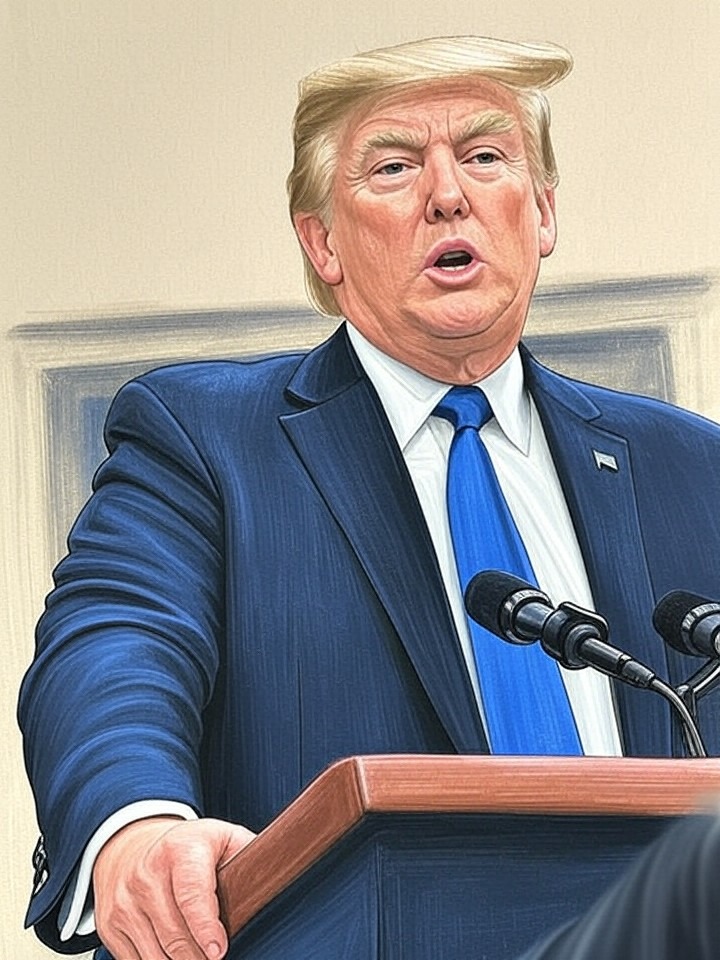
Illustration for: Venezuela Begins Prisoner Releases Following Maduro Capture; U.S. Outlines Oil and Transition Plans
AI-generated illustration. Visual interpretation does not represent real individuals or scenes.

THE BARE STORY

President Donald Trump announced on Saturday that Venezuela has begun releasing political prisoners, a development occurring one week after a U.S. military operation resulted in the capture of Nicolás Maduro and his wife, Cilia Flores. The couple was transported to New York, where they have pleaded not guilty to federal drug trafficking charges. While a comprehensive list of those freed has not been released, reports indicate at least 18 individuals have been discharged from custody.

The Trump administration has stated it intends to temporarily oversee Venezuela’s political transition and security. U.S. Secretary of Energy Chris Wright confirmed that the United States is currently controlling the sale of Venezuelan crude oil and has effectively placed a "quarantine" on the country's independent oil shipments. Wright explained that this measure is intended to prevent revenue from being used to purchase weapons or harbor foreign militant groups. He also acknowledged that the U.S. is coordinating with Venezuelan officials, including Minister of the Interior Diosdado Cabello, to maintain stability.

Amid these shifts, the State Department issued a security alert for Americans in Venezuela, warning of armed militias establishing roadblocks. Opposition leader María Corina Machado is expected to meet with President Trump in Washington this week. Administration officials described the current U.S. involvement as part of a stabilization plan aimed at eventually establishing a representative government, though they indicated the timeline for restoring full sovereignty remains uncertain.

Same Facts. Different Perspectives.

Two AI models. Two viewpoints. One factual foundation.

• Immediate release of political prisoners The removal of Nicolás Maduro has yielded rapid humanitarian results, with the Venezuelan government beginning to free political prisoners just one week after the U.S. operation. Although a full list has not been made public, reports indicate that at least 18 individuals have already been discharged from custody.

• Prevention of funding for armed groups The U.S. decision to place a "quarantine" on independent oil shipments is viewed as a necessary security measure to secure the region. Energy Secretary Chris Wright explained that controlling these crude sales is intended to prevent national revenue from being diverted to purchase weapons or harbor foreign militant groups.

• Clear path toward representative government The administration has characterized its temporary oversight of security and politics as a foundational step toward establishing a representative government. Reinforcing this transition to a new political order, opposition leader María Corina Machado is set to meet with President Trump in Washington to discuss the way forward.

How it may affect me

As a U.S. reader:

The U.S. government is now controlling the sale of Venezuelan crude oil to prevent funding for weapons, a move that places a quarantine on independent shipments.

You face increased danger if traveling to Venezuela, where the State Department has issued alerts regarding armed militias establishing roadblocks during this transition period.

Federal courts in New York will oversee the prosecution of Nicolás Maduro and Cilia Flores, who have pleaded not guilty to drug trafficking charges following their capture.

The U.S. administration has committed to temporarily overseeing Venezuela's security and political transition, though officials state the timeline for ending this involvement remains uncertain.

Read the story at

Note: All TheBareNews content is AI-generated. For additional context, reporting, and updates, you are invited to explore the news outlets linked above.