
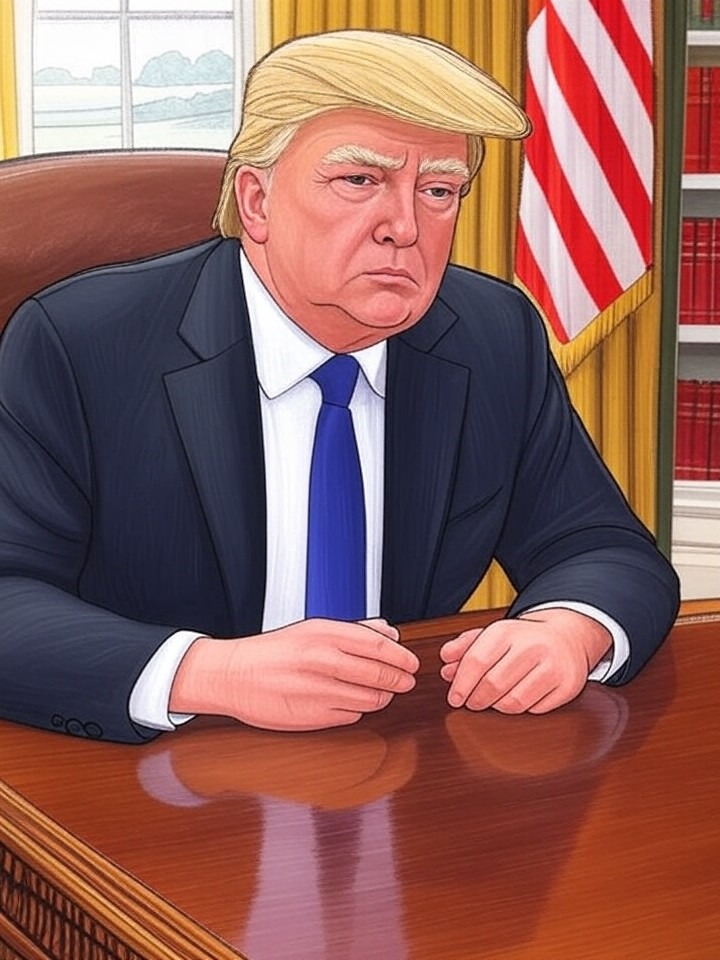
• High casualty counts and ongoing crackdowns have prompted warnings of a severe U.S. response. According to the Human Rights Activists News Agency, the death toll has reached 538, including 490 protesters, as demonstrations against the government continue. In light of these reports, President Trump has warned that the U.S. will hit Iran "very, very hard" if the government continues killing protesters.
• Military options and technological support are being reviewed to address the crisis. A senior U.S. official confirmed that the President was briefed on potential military strike options, specifically excluding ground troops, while cyber attacks remain a possibility. Furthermore, the administration has approved the availability of Starlink satellite internet service to counter the region's continued internet blackout.
• Supporters of intervention urge the U.S. to hold Iranian leadership accountable for the violence. Retired General Jack Keane has encouraged the administration to issue a final warning to Tehran regarding the unrest. This approach emphasizes holding officials responsible for the crackdown, which began over economic grievances but has evolved into calls for the end of the Islamic Republic.
How it may affect me
As a U.S. reader: Iranian officials have threatened to target U.S. military assets if the administration launches strikes, creating potential security risks for American forces and interests in the region.
You may observe increased congressional disputes regarding war powers, as some Senators question the constitutional authority and effectiveness of directing military strikes against Tehran.
The administration has authorized Starlink satellite services and is considering cyber attacks, shifting U.S. involvement toward technological and aerial support rather than ground troop deployment.