
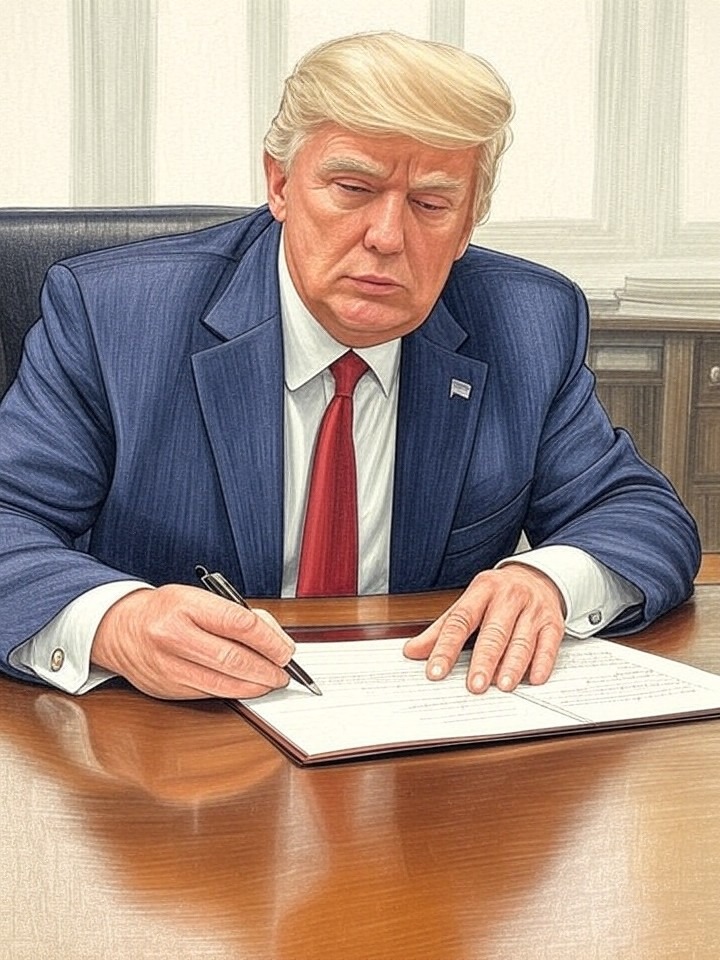
• Executive order safeguards Venezuelan assets President Trump signed an order declaring a national emergency to shield Venezuelan oil revenue held in U.S. accounts from seizure by private creditors. The administration cited national security and foreign policy concerns as the justification for designating these funds as the sovereign property of Venezuela.
• Promotion of energy sector investment During a meeting with oil industry executives, the President actively encouraged companies to invest in Venezuela following the recent U.S. military operation. This push for economic engagement occurred nearly a week after U.S. forces captured the country’s leader, Nicolás Maduro.
• Actions grounded in criminal indictments The administration’s intervention in the region follows the indictment of Maduro and his wife, Cilia Flores, on drug-trafficking charges. While both have pleaded not guilty, the executive branch has moved forward with policy measures aimed at managing the aftermath of their capture and protecting national interests.
How it may affect me
As a U.S. reader:
• U.S. creditors and energy firms seeking compensation for past asset seizures are legally barred from claiming Venezuelan oil revenue currently held in Treasury accounts.
• Media coverage and legislative messaging regarding domestic issues like border security and taxes may be displaced by the focus on foreign policy and military operations.
• Major U.S. oil companies are unlikely to act on presidential encouragement to invest in Venezuela immediately, citing the region's current lack of viability.
• Voters may witness increased political tension regarding the scope of presidential military authority as lawmakers debate war powers ahead of the November elections.