
• Widespread unrest driven by economic instability The demonstrations, which have reportedly spread to all 31 provinces, were sparked by a collapsing currency and economic instability. Observers characterize these events as the most significant unrest the country has witnessed in years.
• Allegations of lethal violence against demonstrators Human rights groups allege that at least 65 people have been killed during the crackdown, while Tehran hospitals report an influx of injured patients. In response to the dissent, authorities have restricted internet access and deployed security forces.
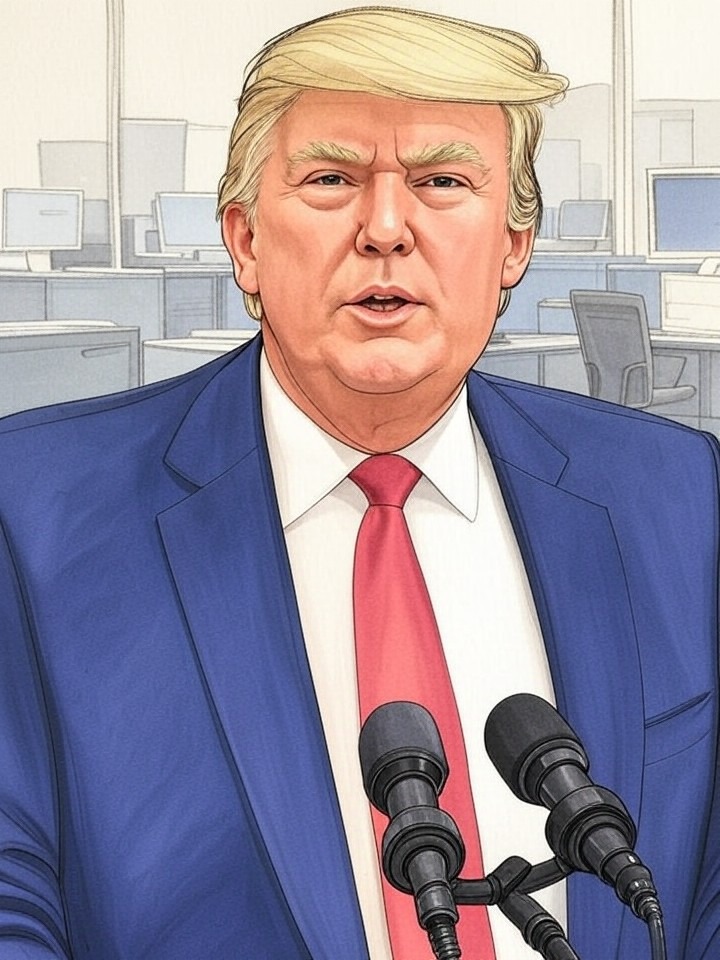
• U.S. leadership pledges intervention and support President Donald Trump has issued warnings to Iranian leadership, stating the United States is prepared to intervene if protesters are killed. This support is echoed by Secretary of State Marco Rubio and exiled opposition figure Reza Pahlavi, who is rallying backing from abroad.
How it may affect me
As a U.S. reader:
• President Trump has stated the United States is prepared to intervene if protesters are killed, introducing the possibility of new U.S. engagement or action in the Middle East.
• Claims by Iranian leaders that protesters are acting to please the U.S. president suggest that American foreign policy decisions may be cited by the regime as catalysts for the conflict.
• The administration's pledge to support Iranian citizens amid reported killings and internet blackouts signals that this unrest will be a priority for the State Department and executive branch.