
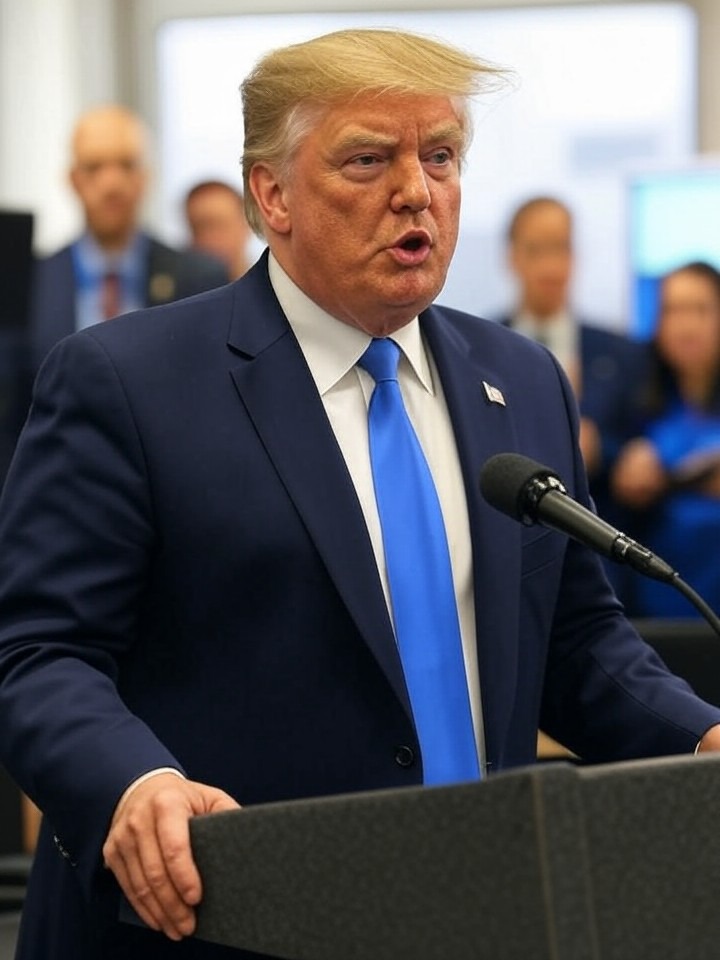
• Necessity of addressing high interest rates The President has argued that credit card companies are charging rates that often exceed 20%, creating a need for a temporary 10% cap to address consumer costs. This proposal is framed as a necessary intervention to lower expenses for Americans, with the administration considering options ranging from executive action to pressuring issuers for voluntary reductions.
• Relief for record household debt Supporters of the measure cite data from the Federal Reserve Bank of New York indicating that total credit card balances hit a record $1.23 trillion in the third quarter of last year. Proponents argue that maintaining high interest rates on such significant balances places an undue financial burden on American households.
• Alignment with bipartisan legislative goals The administration's proposal reflects a broader political consensus, mirroring a bill introduced last year by Republican Senator Josh Hawley and independent Senator Bernie Sanders. This legislative push for a 10% cap has also seen parallel support from representatives in the House from both political parties.
How it may affect me
As a U.S. reader:
• If you carry credit card balances, your interest expenses could decrease significantly under a 10% cap, providing relief from current market rates that frequently exceed 20%.
• Applying for new credit cards may become more difficult, as industry groups warn lenders could restrict access or cut off millions of households to manage reduced margins.
• Borrowers denied traditional credit might face exposure to less regulated lending markets, a consequence predicted by banking associations if mainstream institutions pull back service.
• You would not see these changes immediately, as the proposed one-year temporary cap is scheduled to take effect beginning January 20, 2026.