
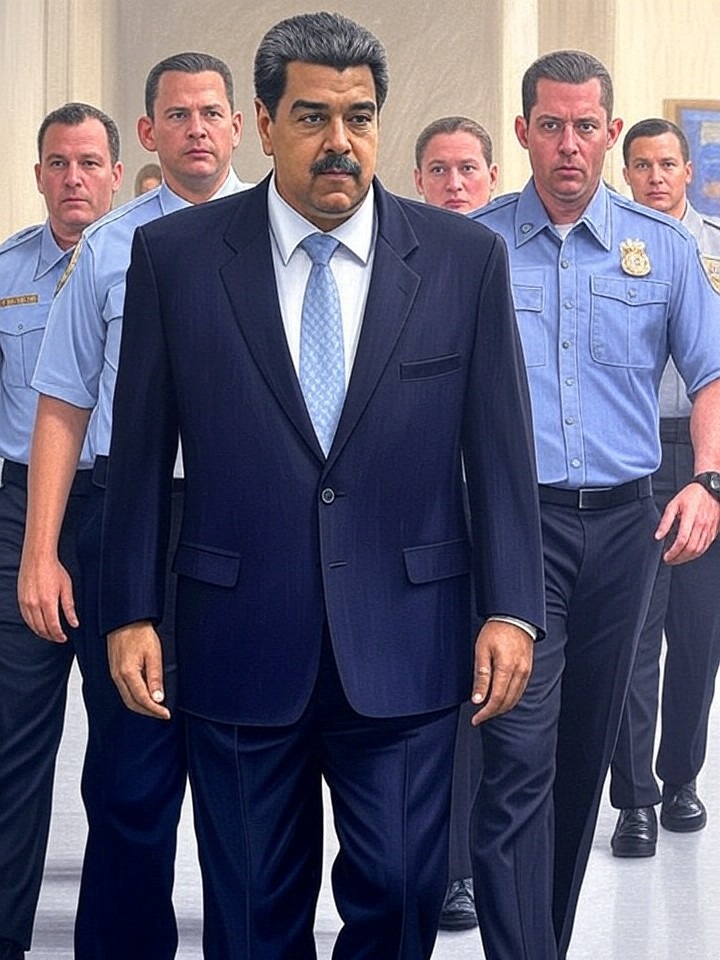
• Cooperation with the new leadership is established President Trump has stated that a "second wave of attacks" against Venezuela will not be necessary, citing cooperation from the country's current leadership. This stance suggests that the removal of Nicolás Maduro has paved the way for a more collaborative relationship between the U.S. and the new administration in Caracas.
• Economic indicators suggest renewed market confidence Following the transition, an anonymous business entrepreneur reported a rise in local stock values, interpreting the change as a sign of hope for future stability. Additionally, plans have been noted for meetings with oil executives to discuss potential investments, indicating a focus on economic revitalization.
• A swift transition of power was successfully executed The operation resulted in the removal of Maduro into U.S. federal custody and the immediate swearing-in of the Vice President. This transition ceremony proceeded with the attendance of senior military commanders and officials, facilitating a direct transfer of authority within the executive branch.
How it may affect me
As a U.S. reader:
• You may observe continued military engagement abroad as significant U.S. personnel and naval assets remain deployed in the region, despite assurances against further attacks.
• Potential shifts in the energy sector could occur as the administration plans to meet with oil executives to discuss new investment opportunities following the political transition.
• The U.S. federal court system will oversee high-profile legal proceedings involving Nicolás Maduro, who has been transported to New York and placed in federal custody.
• Taxpayers may face undefined financial obligations, as legislators warn that the U.S. currently lacks a clear strategy to handle the costs and risks associated with the operation.