
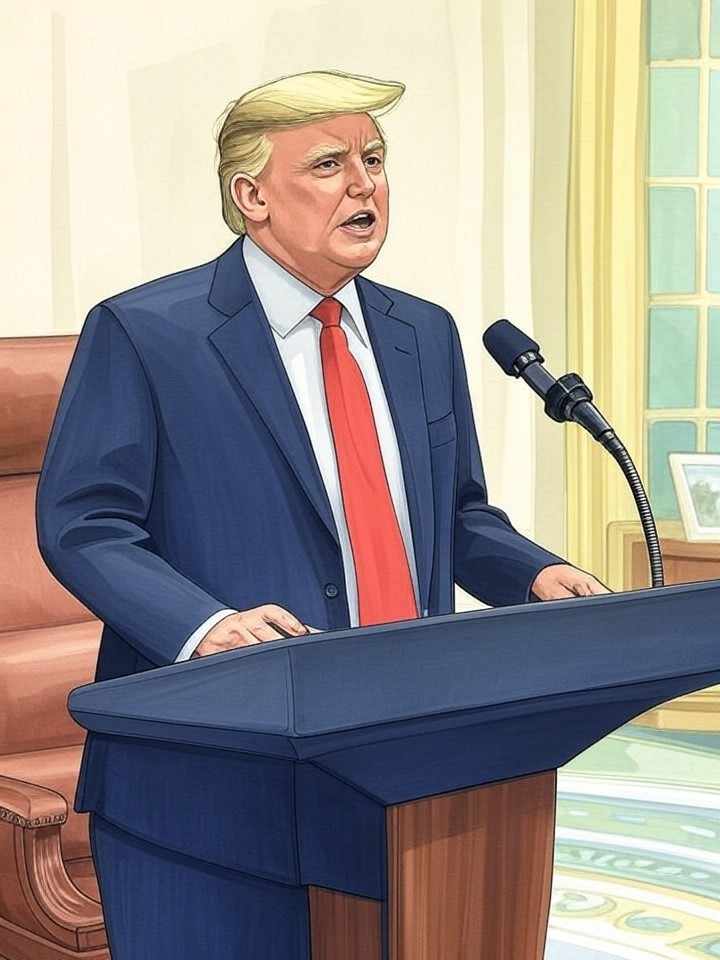
• Acquisition is viewed as vital for national security The President argues that obtaining full ownership of Greenland is necessary to prevent foreign adversaries, specifically Russia or China, from gaining control over the island. The administration contends that the current U.S. military lease is insufficient to provide proper defense capabilities.
• Preparedness to use various methods for acquisition President Trump stated a preference for reaching a deal the "easy way" but expressed readiness to use the "hard way" if required. Reported options being weighed include purchasing the territory, providing cash payments to Greenlanders to encourage them to join the U.S., or utilizing the U.S. military.
• Diplomatic engagement is scheduled to continue Following the President's declaration at the White House, U.S. Secretary of State Marco Rubio is set to meet with Danish officials next week. This meeting comes as the administration seeks to advance its goal of acquiring the semi-autonomous territory.
How it may affect me
As a U.S. reader:
The stability of international security alliances could be at risk, as Danish officials warn that forced acquisition attempts by the U.S. would signify the end of NATO.
Federal spending priorities may shift if the government pursues reported options to purchase the territory or provide cash payments to Greenlanders to encourage them to join the union.
You may witness intensified legal and political debates over presidential war powers, as a Senate resolution has already been introduced to block a potential military invasion.
Military families and personnel could be affected by potential mobilizations, as the President has expressed a willingness to use the U.S. military to secure the island if necessary.